Status of Water Replenishment in DX Division
At DX Division, we recognize that water is essential to our products’ production process. While we purify and return most of the used water to the environment, some consumption is unavoidable. To compensate local communities for any consumed water, we aim for 100% water replenishment by 2030. We are working on water replenishment projects in collaboration with the government, public institutions and NGOs to return available water resources to stakeholders and local communities. Since 2024, our manufacturing sites in South Korea have maintained a 100% water replenishment rate, and in 2025, we reached a 67.2% rate across our global manufacturing sites.
Water replenishment progress in DX Division
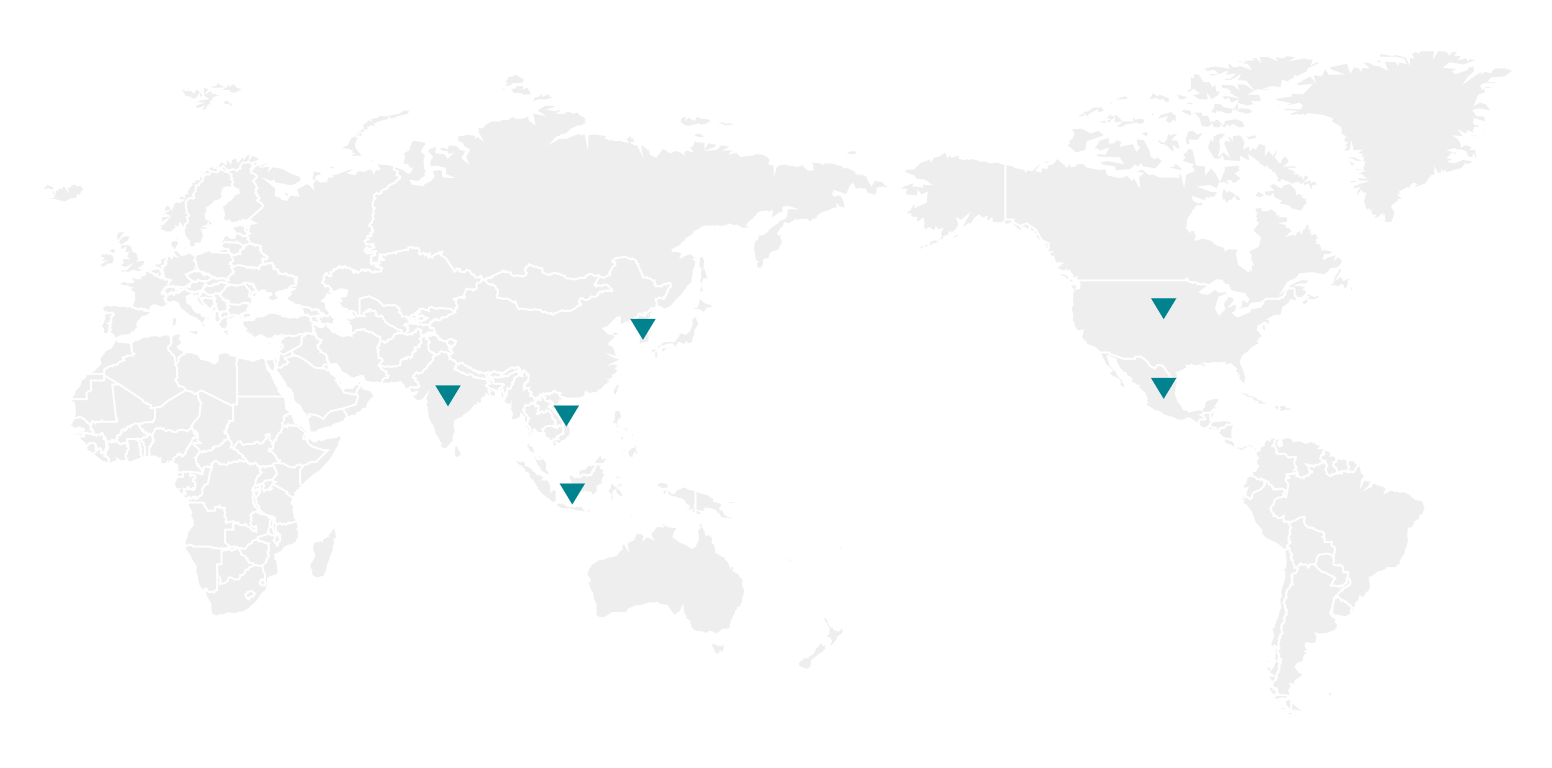
Replenishment project summary by region
| Region | Number of Total Projects | Projects Started in 2025 | Replenishment Volume (10,000 tonnes/year) |
|---|---|---|---|
| South Korea | 7 | - | 127 |
| Vietnam | 11 | 6 | 128 |
| India | 4 | 2 | 23 |
| Thailand | 1 | 1 | 6 |
| Malaysia | 1 | 1 | 3 |
| Indonesia | 6 | - | 1 |
| United States | 1 | - | 0.05 |
| Mexico | 1 | - | 0.5 |
| Brazil | 7 | 7 | 7 |
| Slovakia | 1 | 1 | 0.5 |
| Hungary | 1 | 1 | 0.3 |
| Türkiye | 1 | 1 | 0.05 |
| Total | 42 | 20 | 296 |
- As of 2024, South Korean sites have achieved a 100% replenishment rate
- Replenishment project performance was verified by a third party
Key Replenishment Projects
Installation of agricultural water reuse facilities
- In collaboration with the Korea Rural Community Corporation, we supported the installation of agricultural water reuse facilities across five water-stressed regions in Korea, including Gojan-ri, Cheongbuk-eup, Pyeongtaek, Gyeonggi Province. By resupplying downstream water to upstream areas for agricultural reuse, we contributed to mitigating water scarcity and drought risks
- Expected water replenishment volume: Approximately 300,000 tonnes/year
-
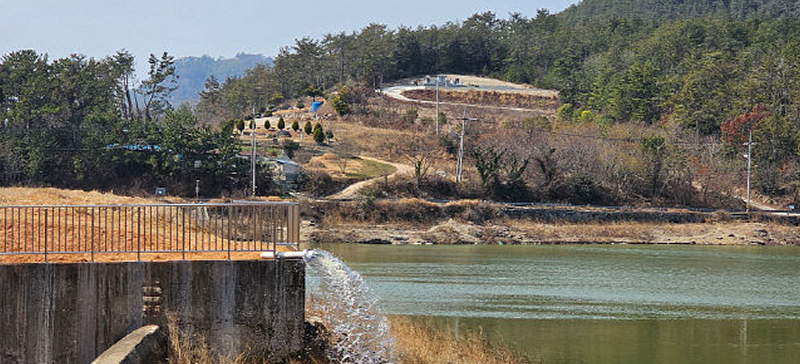
▲ Discharge section where agricultural water is resupplied from downstream to upstream in Wando, South Jeolla Province
-
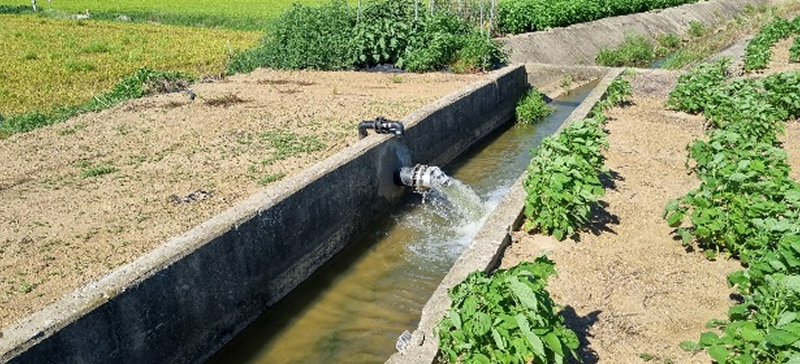
▲ Discharge section where agricultural water is resupplied from downstream to upstream in Pyeongtaek, Gyeonggi Province
Reservoir restoration project in New Delhi, India
- In collaboration with an NGO, we carried out a reservoir replenishment project near New Delhi, India, to secure water resources and improve the local environment. We removed long-neglected waste and aquatic vegetation to improve water quality, and dredged sediments from the reservoir to increase its storage capacity, securing additional water resources
- Expected water replenishment volume: Approximately 100,000 tonnes/year
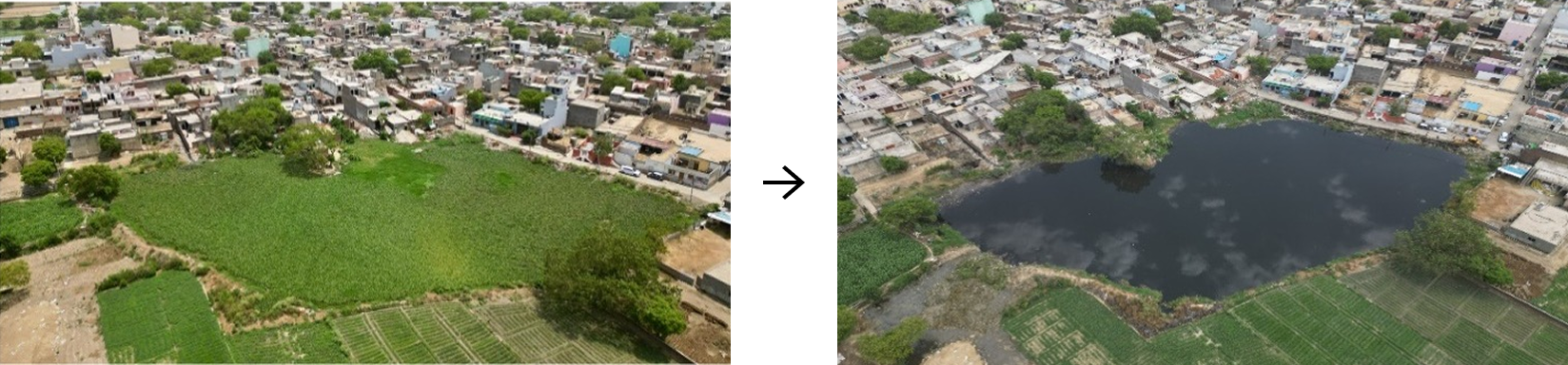
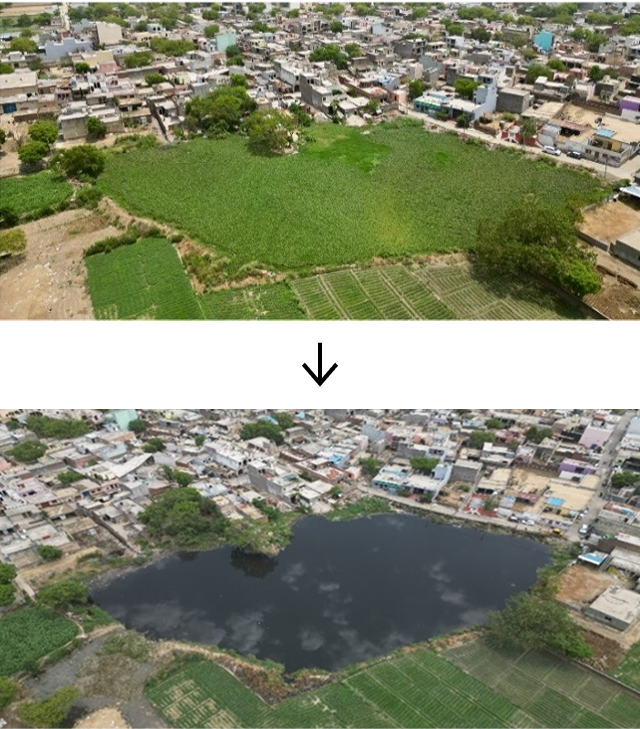
-
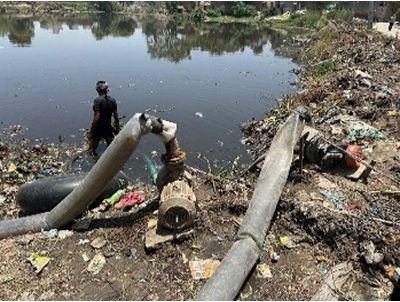
▲ Reservoir dewatering (drainage)
-
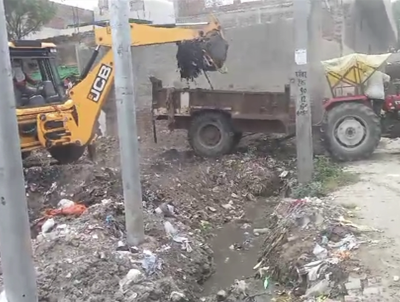
▲ Removal of abandoned waste
-
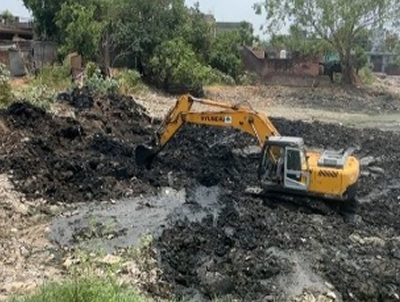
▲ Dredging of reservoir bed
-
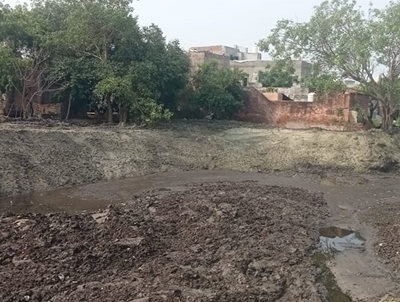
▲ Expansion of reservoir capacity
Installation of rainwater storage facilities in Vietnam
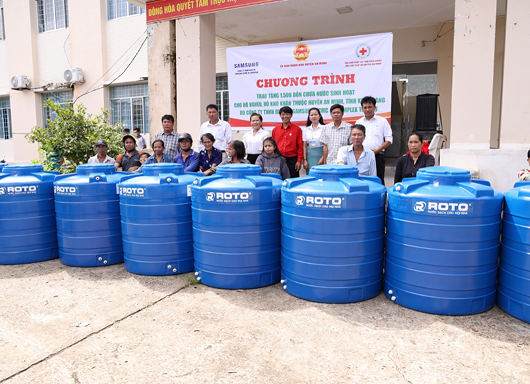
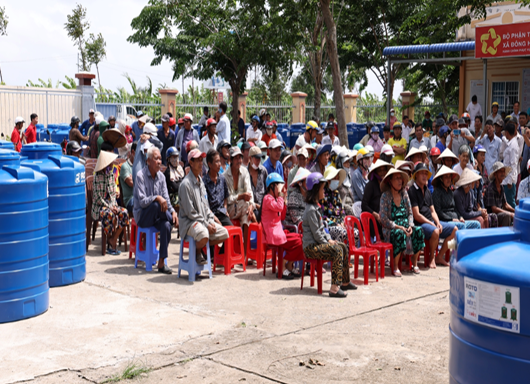
- By installing rainwater storage facilities in An Minh District, Kien Giang Province, Vietnam, in collaboration with the People’s Committee, we improved access to water for 1,500 households and helped mitigate issues related to drought and water scarcity among vulnerable populations
- Expected water replenishment volume: Approximately 100,000 tonnes/year
-
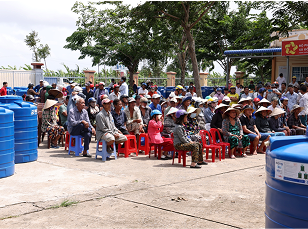
-
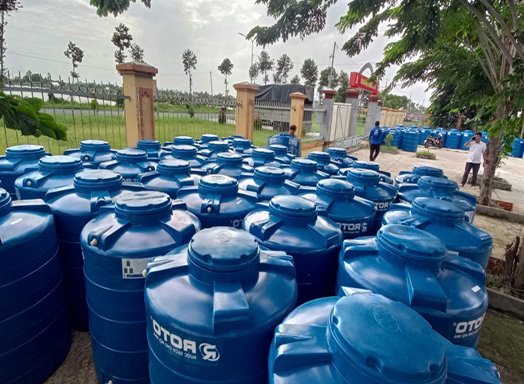
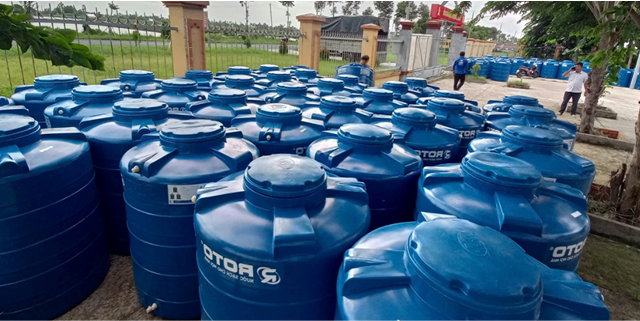
▲ 1,500 rainwater storage containers
Canal expansion project in Chonburi Province, Thailand
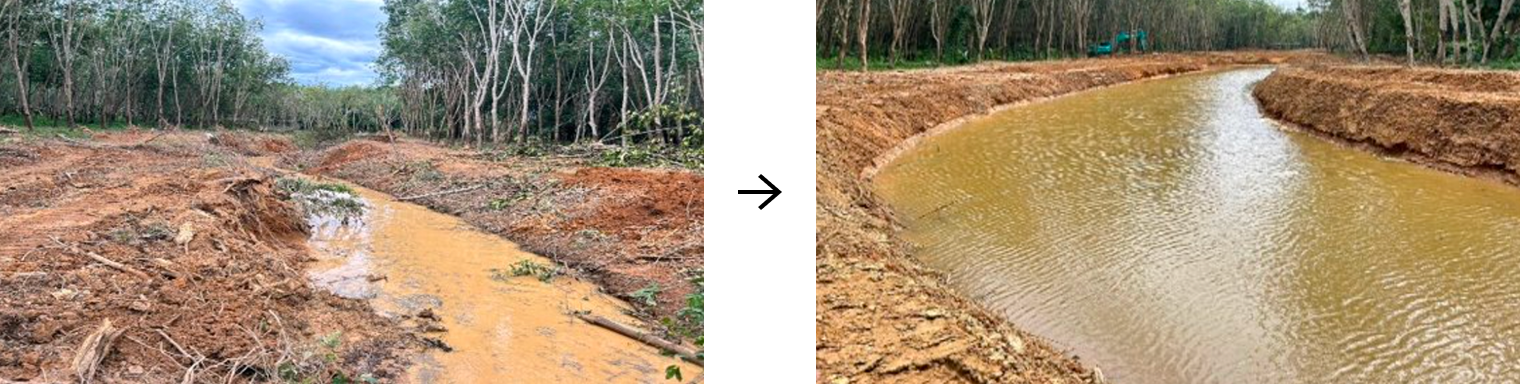
- In collaboration with local governments and public agencies, we implemented a canal expansion project in the suburban areas of Chonburi Province, Thailand, to secure water resources and mitigate flood damage. By dredging the canal bed and widening the channel, we ensured stable drainage during rainfall. Furthermore, we expanded the canal's retention capacity in conjunction with the downstream dam, contributing to improved water accessibility and the alleviation of water shortages
- Estimated water resources secured: Approximately 70,000 tonnes/year
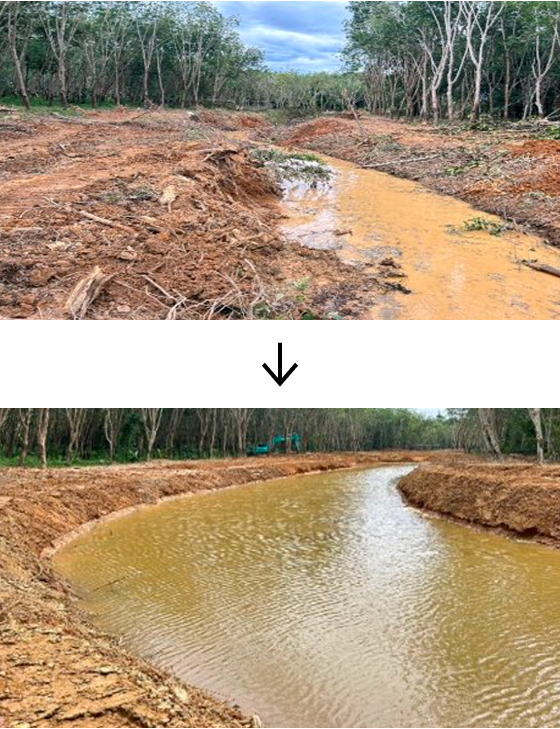
-
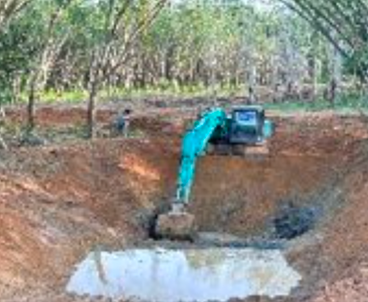
▲ Canal expansion (bed dredging and bank widening)
-
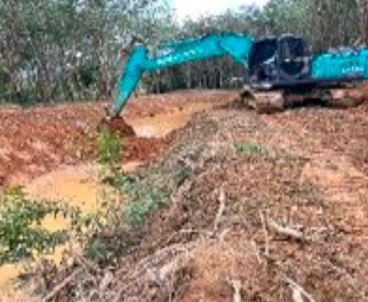
▲ Canal connection (restoring water flow)
-
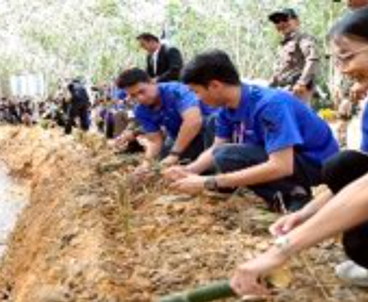
▲ Slope stabilization (tree planting)
-
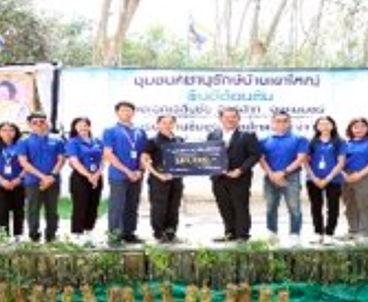
▲ Joint ceremony with participating organizations
Water reservoir project in Slovakia
- In collaboration with NGOs, we implemented a small water reservoir construction project in the northern mountainous region of Slovakia to restore groundwater levels and natural landscapes. By installing over 10 beaver dams, ponds, and water pools, we restored continuous flow in the valleys and streams while replenishing groundwater levels. Overall, this initiative contributes to securing water resources for local residents and supporting forest restoration
- Estimated water resources secured: Approximately 10,000 tonnes/year
-
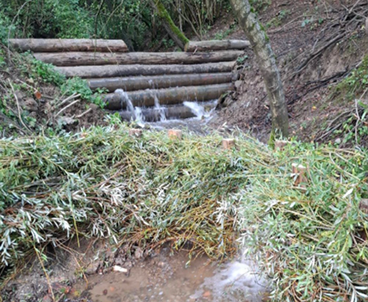
▲ Beaver dam installation (restoring water levels and flow)
-
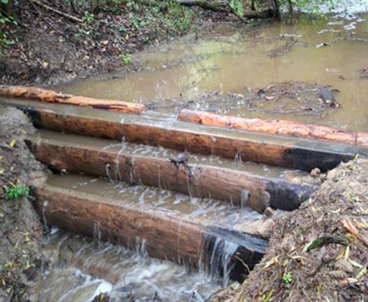
▲ Beaver dam installation (restoring water levels and flow)
-
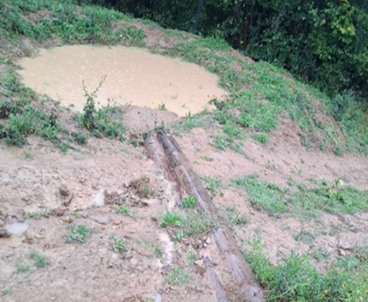
▲ Water pool installation (restoring groundwater levels)
-
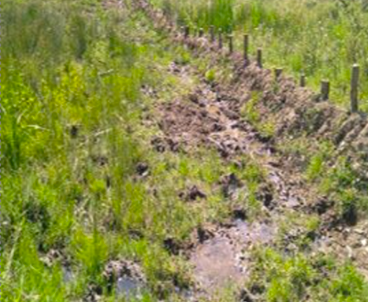
▲ Continuous water flow (supporting forest restoration)
Well construction project in Manacapuru, Brazil
- In collaboration with NGOs and local governments, we constructed six new wells to improve water accessibility for 6,000 residents in Manacapuru, Brazil. By utilizing clean groundwater instead of existing river water, we addressed drinking water and sanitation issues, contributing to the safety and development of the region
- Estimated water resources secured: Approximately 470,000 tonnes/year
-
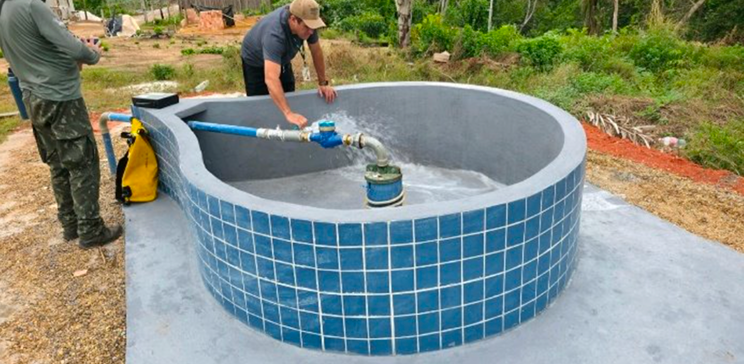
▲ Well installation (improving water accessibility and addressing drinking water/sanitation issues via groundwater utilization)
-
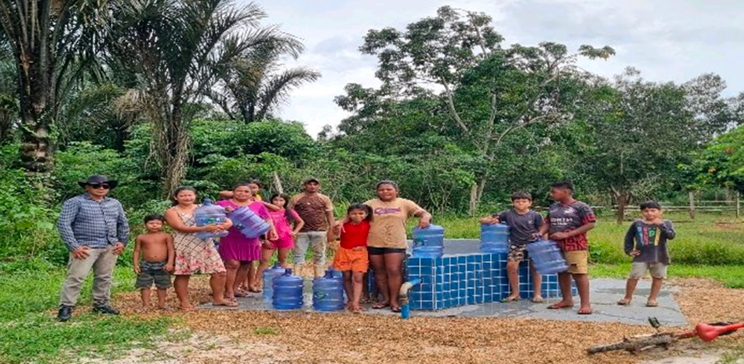
▲ Domestic and agricultural water utilization (six locations total, serving 6,000 local residents)
Pond restoration project in Wronki, Poland
- In collaboration with the local government, we implemented a pond restoration project in the Wronki region of Poland to restore groundwater levels and prevent droughts and floods. We cleared surrounding vegetation and dredged accumulated sediment and organic matter, such as fallen leaves and branches, from the pond bed. This ensures that water can stably seep into the ground, contributing to the restoration of the pond and the growth of vegetation in the surrounding park
- Estimated water resources secured: Approximately 20,000 tonnes/year
-
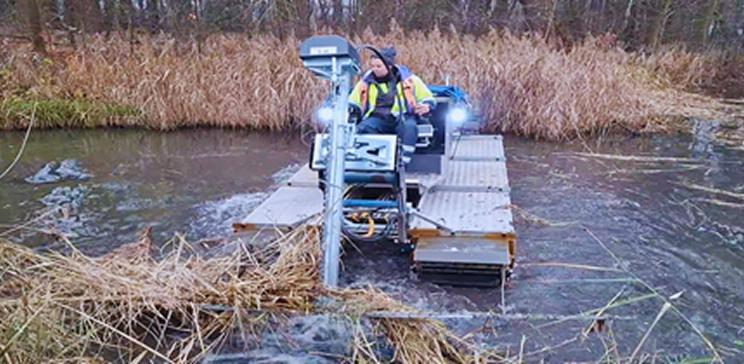
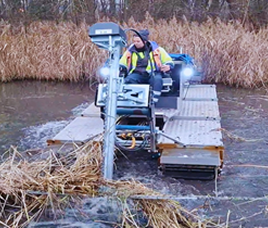
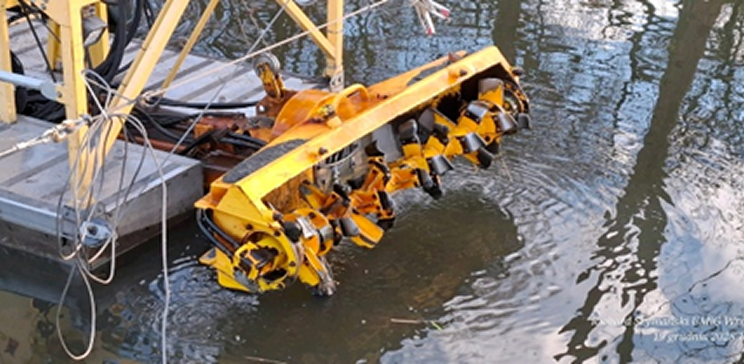
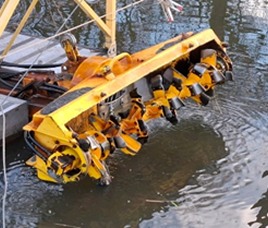
▲ Pond restoration (Clearing vegetation and dredging organic matter and sediment from the bed)
-
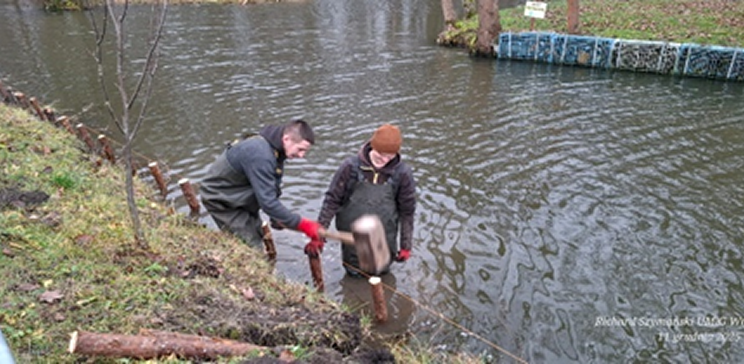
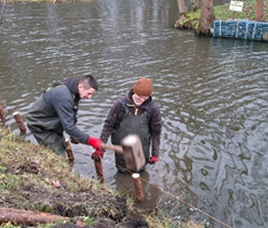
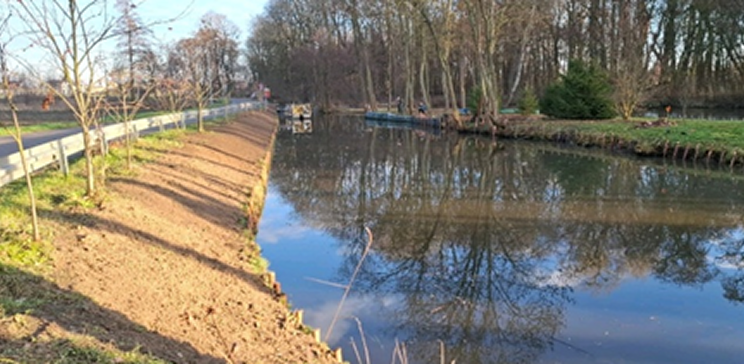
▲ Slope stabilization (Installing wooden stakes and reinforcing with timber, soil, and fencing)