Communication with Community Stakeholders
Stakeholder Engagement
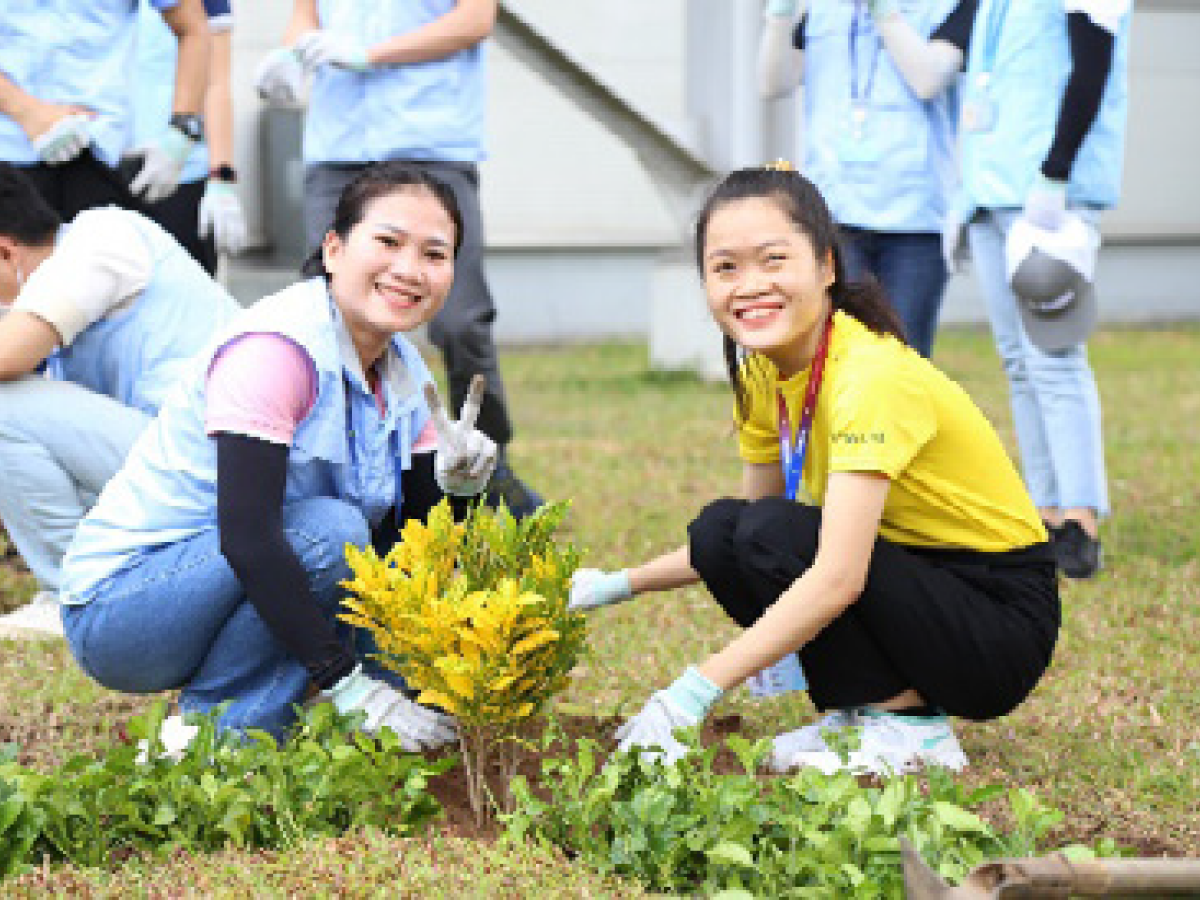
Samsung Electronics in South Korea and other regions collaborates with stakeholders such as local governments, NGOs, and local residents to carry out local river cleanup activities every year while providing potable water to socially vulnerable groups with limited access to clean water. We also have engaged in MOU (Memorandums Of Understanding) with local governments and NGOs to conserve rivers, analyze risks related to the nearby river basins, and seek solutions.
Improving Awareness on WASH*
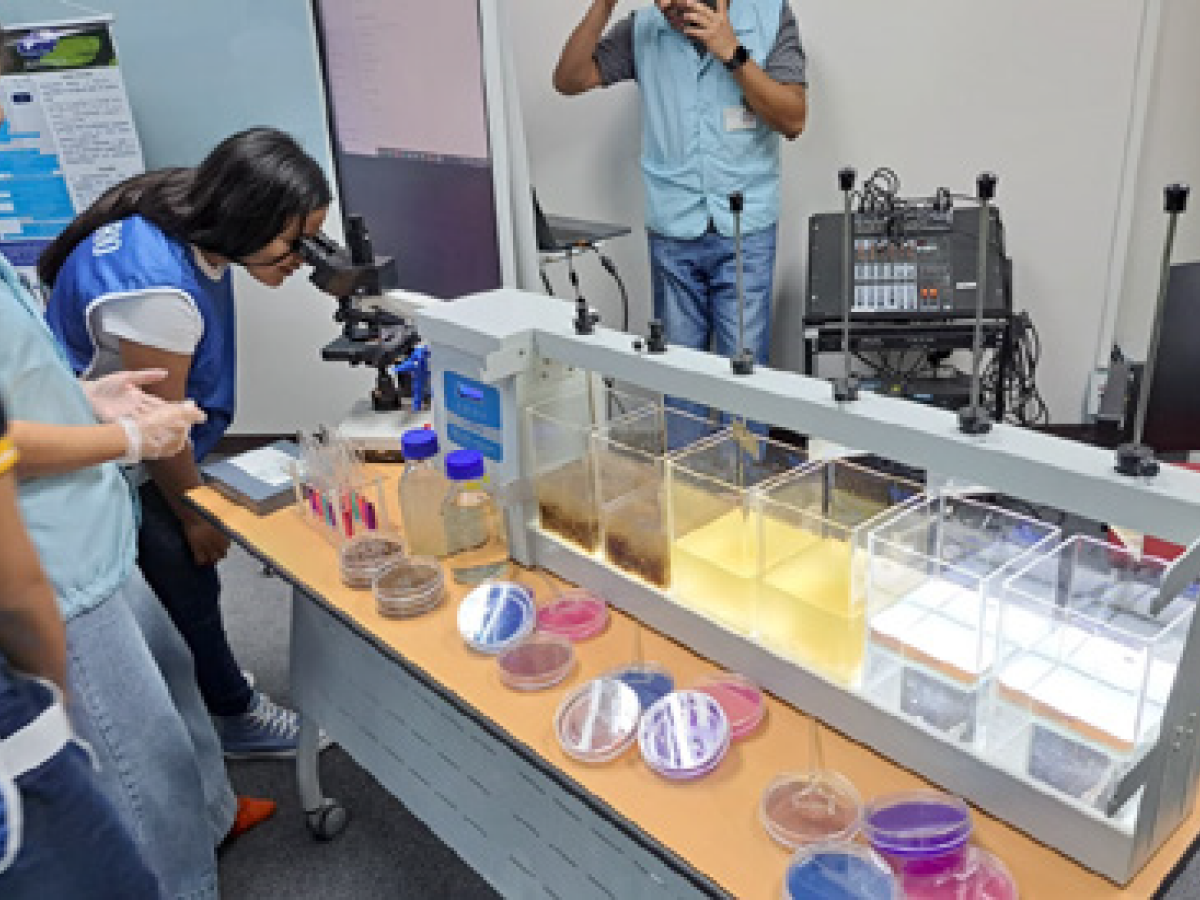
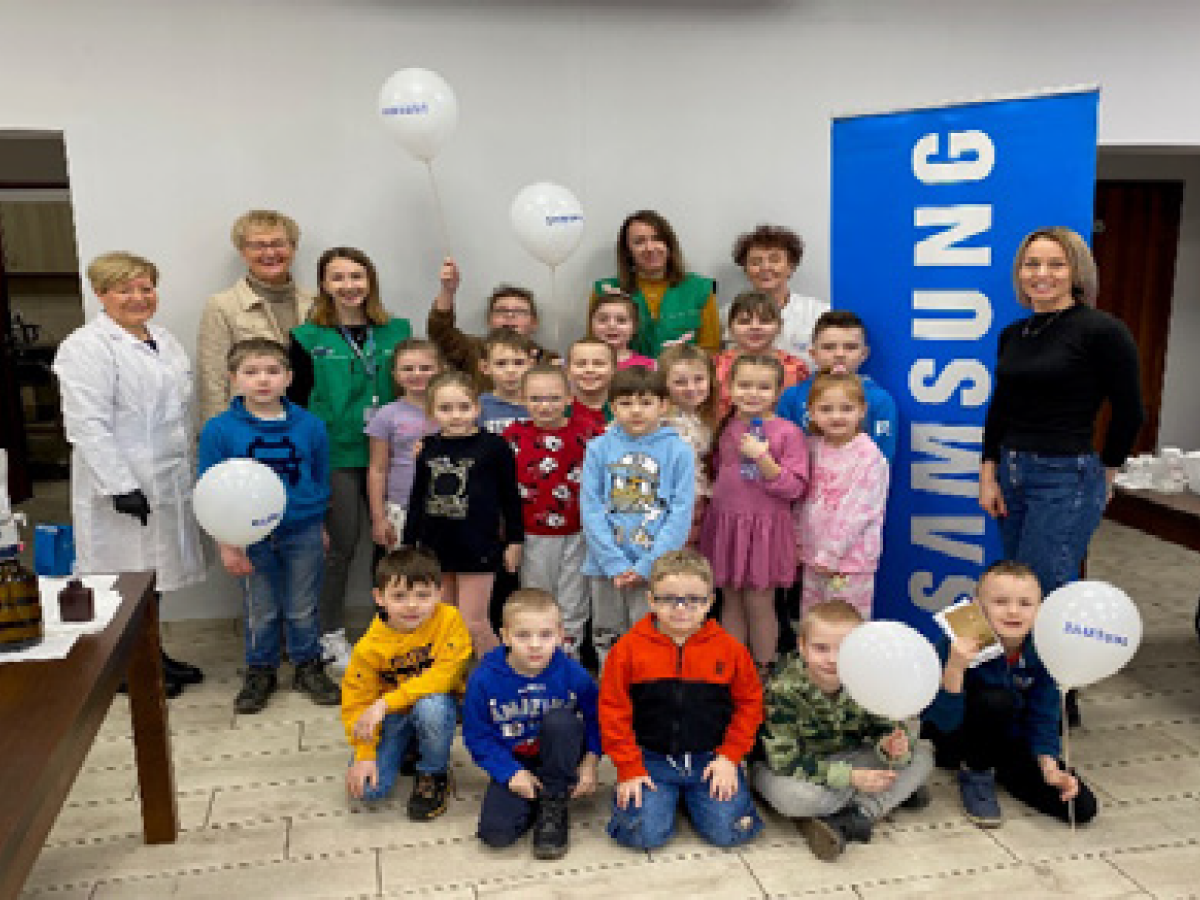
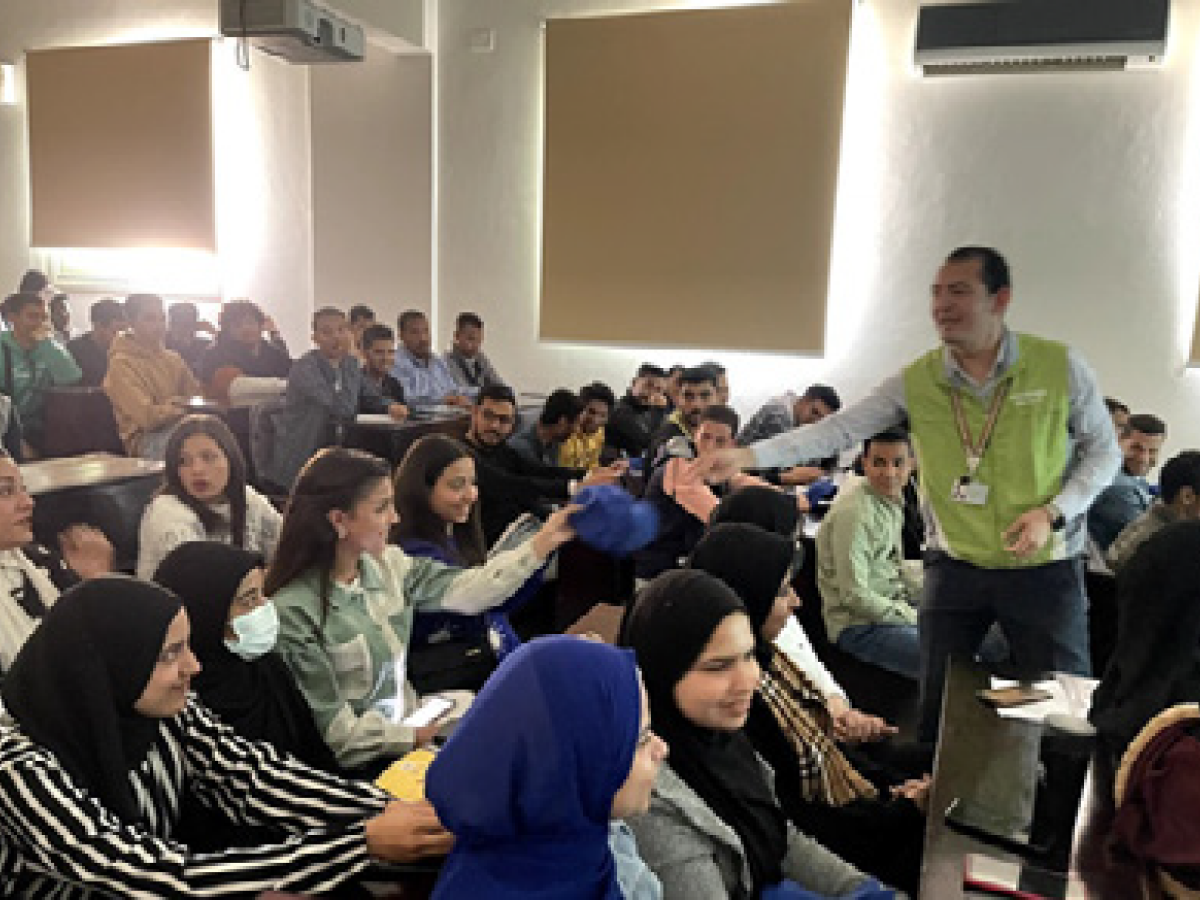
We strive to improve all stakeholders’ awareness on the importance of water and hygiene. We offer training on water, hygiene, and health for our employees, their families, students of nearby schools, and local residents and engage them in relevant activities.
We safely manage water resources in accordance with internal guidelines for WASH (Water, Sanitation and Hygiene) related facilities and water supply. We perform and disclose the results of RBA (Responsible Business Alliance) and WBCSD (World Business Council For Sustainable Development) assessments to our employees and government agencies. Our suppliers also follow the procedure, ensuring safe water resource management through RBA assessments and WASH service audits.
We inspect drinking water facilities such as water purifiers and collectors quarterly, and monthly during the summer (June to September), in line with internal management standards. We tested drinking water quality at all South Korean sites, and found all six tested items—general bacteria, total coliforms, fecal coliforms, free residual chlorine, hydrogen ion concentration, and turbidity—to be safe. Beyond drinking water, our production facilities offer sufficient amenities for fecal waste and sewage treatment, hygiene education, and installed water saving equipment such as urinals, toilets, and faucets. For higher-risk sites, we are analyzing causes by referencing the Access to Water section of WRI (World Resources Institutes)'s Aqueduct Risk Atlas.
We installed a water vapor reduction device at our business site to remove vapor, verified to be harmless, to address concerns from the residents. We also work on improving local community living conditions by constructing toilets in nearby villages.
- * Water, Sanitation and Hygiene