Using Recycled
Materials
E-waste, born again with
technology
Recycled materials roadmap
-
2022
- Ocean-bound plastic recycled and applied to DX products
- Circular Economy Lab established
-
2025
- 989,255 tonnes of plastic containing recycled materials used cumulatively since 2009
-
2030
- Aim to apply recycled plastic1) to 50%2) of plastic parts3) in
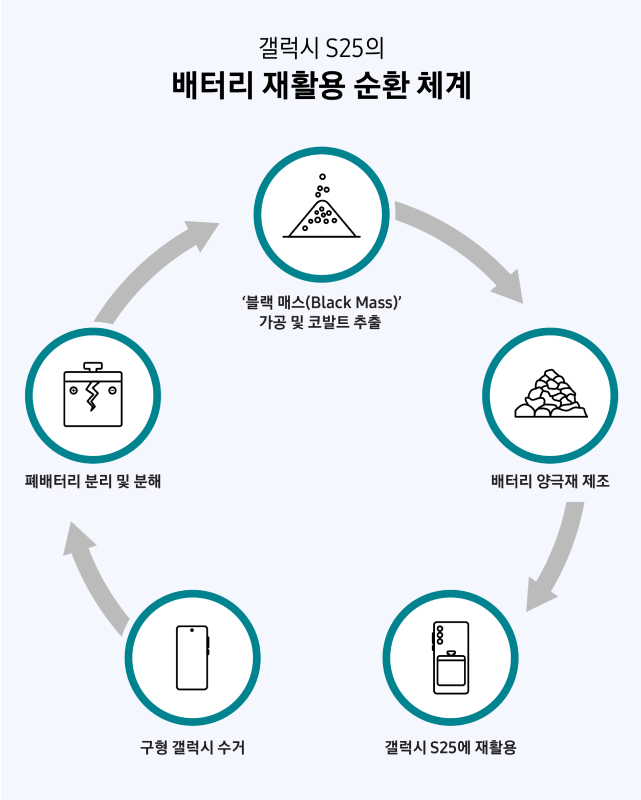
DX products - Establish a recycling system for minerals recovered from collected waste batteries
- Aim to apply recycled plastic1) to 50%2) of plastic parts3) in
-
2050
- Aim to apply recycled plastic1) to 100%2) of plastic parts3) in DX
products
- Aim to apply recycled plastic1) to 100%2) of plastic parts3) in DX
- Ratio of recycled content varies by plastic parts
- Percentage of parts containing recycled materials out of the total amount of parts
- Plastic parts developed by Samsung
Our products give
a
new life to materials
We strive to use recycled materials
in our products.
We are constantly looking for ways to minimize our impact on the land and sea. By focusing on plastic waste as one of the biggest threats to the marine environment, we have
developed technology to recycle discarded fishing nets and are continuing our efforts to improve circularity by recycling resources.
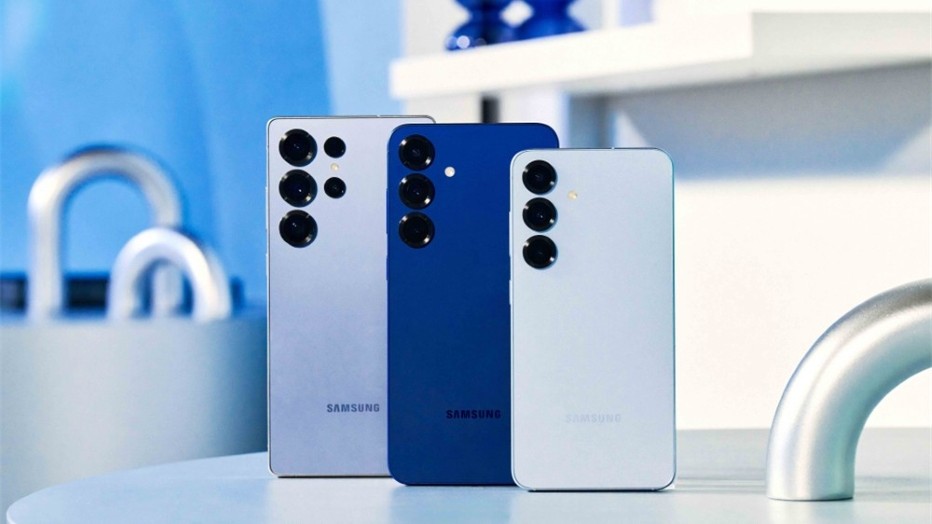
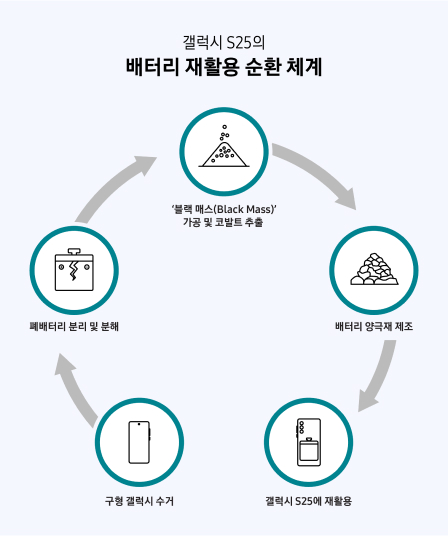
The Galaxy S25 released in 2025 uses a minimum of 50% recycled cobalt1) for batteries, sourced from previously used Galaxy devices or batteries discarded during the manufacturing process. In 2026, recycled tantalum2) is newly applied in the Galaxy S26 series, further expanding the range of recycled materials.
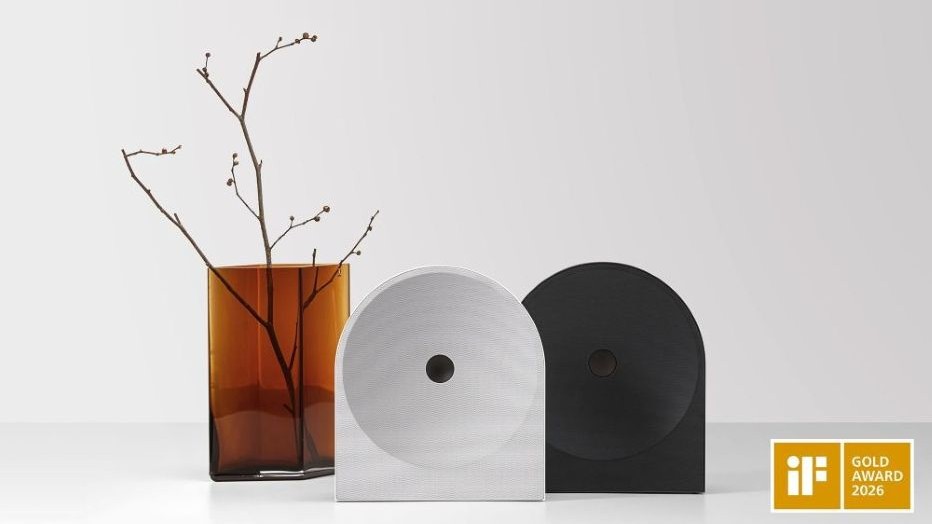
In addition, the 13-inch Samsung Color E-Paper, our thin and light digital signage display, features a product housing that uses recycled plastic3) and phytoplankton-based bio-resin4) derived from plant-based plankton.
Our efforts to scale the use of recycled materials extend to home appliances as well. In 2026, we incorporated a recycled-glass composite into the Bespoke AI Laundry Combo5), earning an Environmental Claims Validation (ECV) from the global safety science company, UL Solutions.
- The Galaxy S25 battery contains at least 25% cobalt, 50% of which
is recycled. Inclusion may differ by markets. - Its certain capacitors contain 15% recycled tantalum.
- The product housing consists of 45% recycled plastic.
- The product housing consists of 10% phytoplankton-based bio-resin.
- The Outer Tub incorporates 10% recycled glass materials.
plastic parts
We are significantly expanding the application of recycled materials in plastic parts1) used in DX products — 50%2) of plastic parts by 2030 and 100%2) plastic parts3) (by weight) by 2050.
In 2025, DX Division used 220,444 tonnes of plastics with recycled materials, approximately 1.1 times the amount used in the previous year.
- Ratio of recycled content varies by plastic parts
- Percentage of parts containing recycled materials out of the total amount of parts
- Plastic parts developed by Samsung
- Unit: 10,000 tonnes
- Usage for the current year
- Total cumulative usage
Double bar chart showing figures from 2023 to 2025. 2023: 16, 57 / 2024: 20, 77 / 2025: 22, 99.
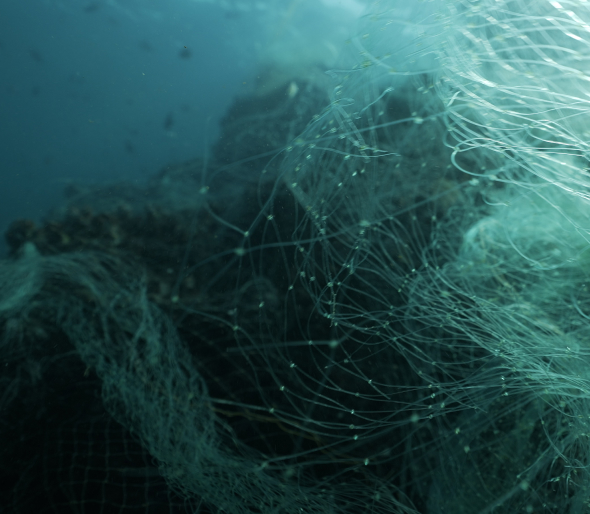

How did abandoned
fishing
nets become a part of Galaxy?
Learn more
-
Expanding the scope of
recycled material useLearn more -
Our efforts to recycle
by-products from
semiconductor
manufacturingLearn more
From recycled, for recycling
The use of recycled packaging
materials by product category
Extending
Product Life
Get more out of our products


The longer the product
lifespan, the less
resources consumed
We continue to increase the lifespan of our products because longer lifecycles often mean fewer resources consumed and less carbon emitted.
To reduce the environmental impact of our products, we study and apply ways for our customers to use our products longer.
-


Extend product life
Products undergo testing based on international
Improved durability
standards and our in-house durability requirements
under diverse usage conditions -

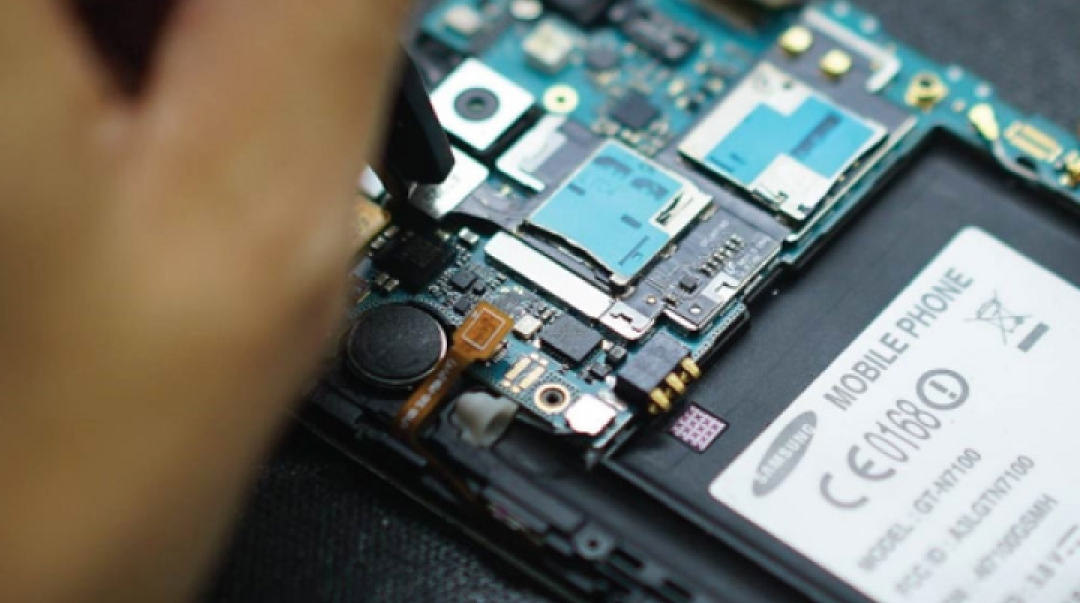
Easy-to-disassemble design,
Repairability
easy-to-recycle at the end of the product life -
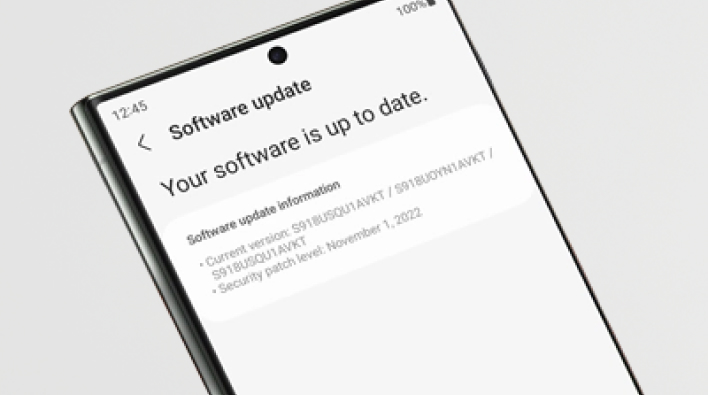
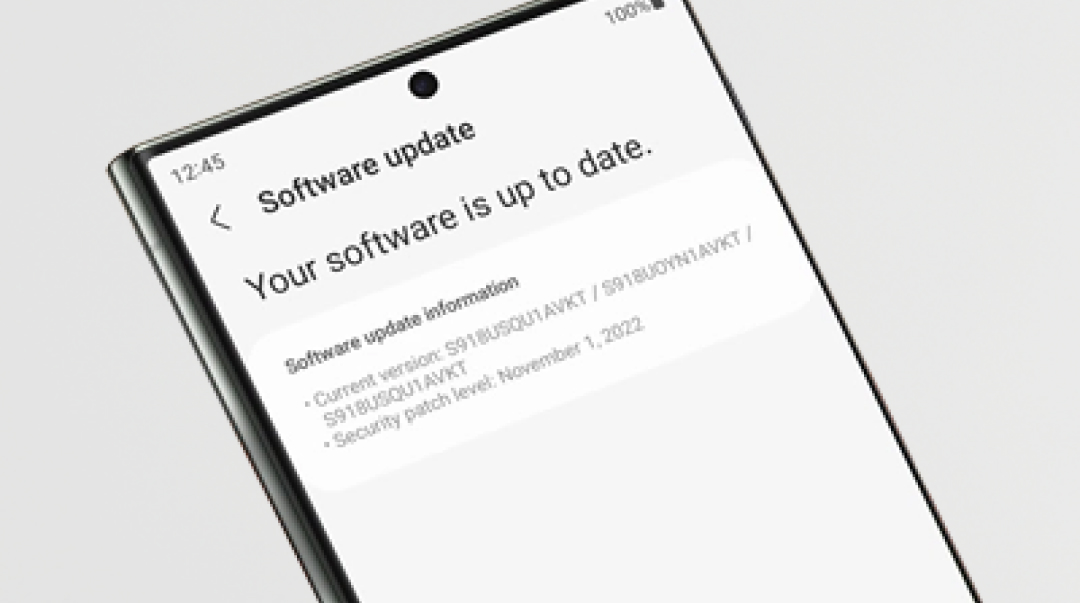
Extended support period for software
Upgradability
upgrades,
modular design so users can use
products that are
tailored to their needs for
longer period of time -


Offers customers refurbished and upgraded
Samsung CRN(Certified Re-Newed) smartphones
smartphones with warranty

Collecting and
Recycling E-waste
Bringing new life
to EOL (End Of Life) products
E-waste collection and
recycling roadmap
-
2024
- Operated an
e-waste collection system in over
80 countries
- Operated an
-
2025
- Operated an e-waste collection system in more than 100 countries around the world
-
2030
- Operate an e-waste collection system in all global sales regions
- Aim to collect 10 million cumulative tonnes of e-waste*
-
2050
- Aim to collect 25 million cumulative tonnes of e-waste*
- * Cumulative from 2009
Not just thrown away
but repurposed
When we switch to a new product, where does the used product end up?
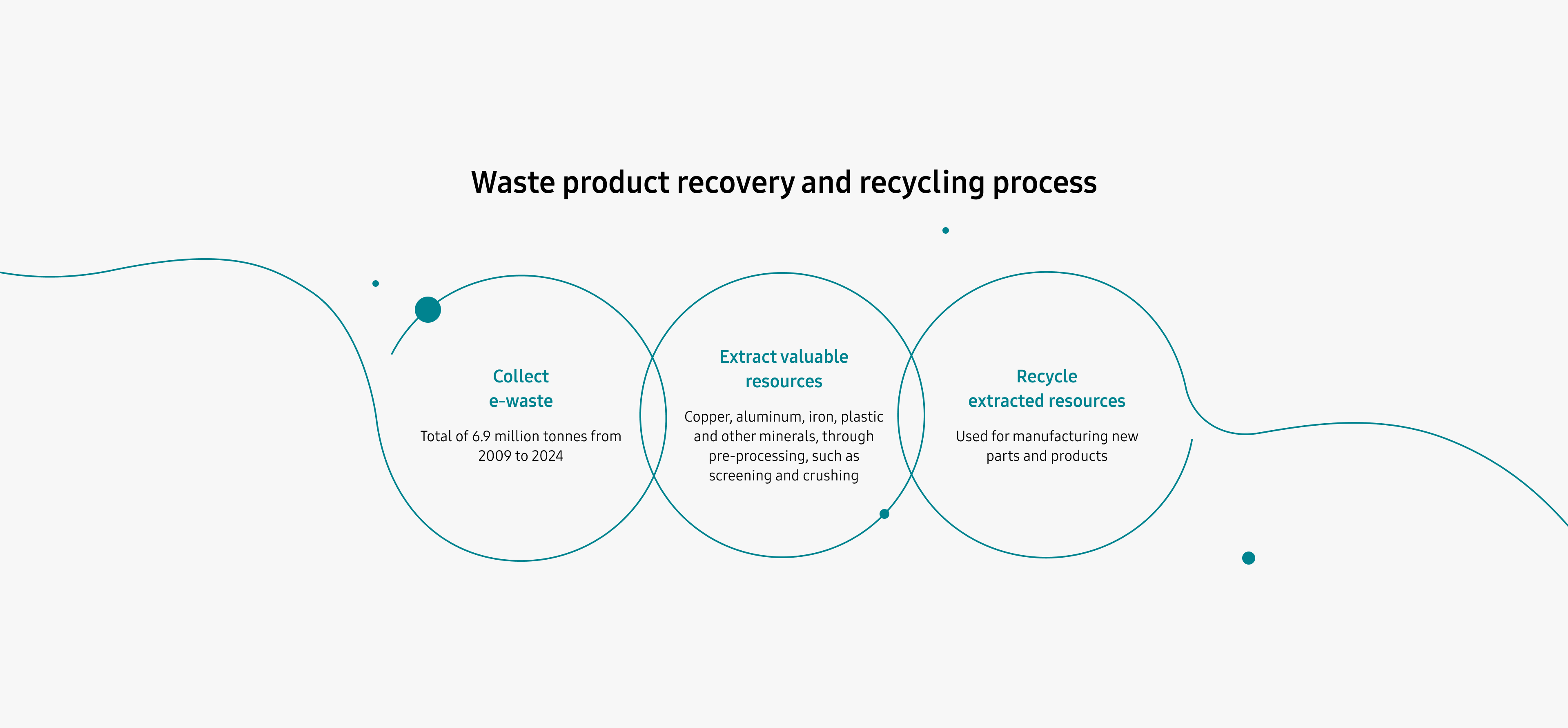
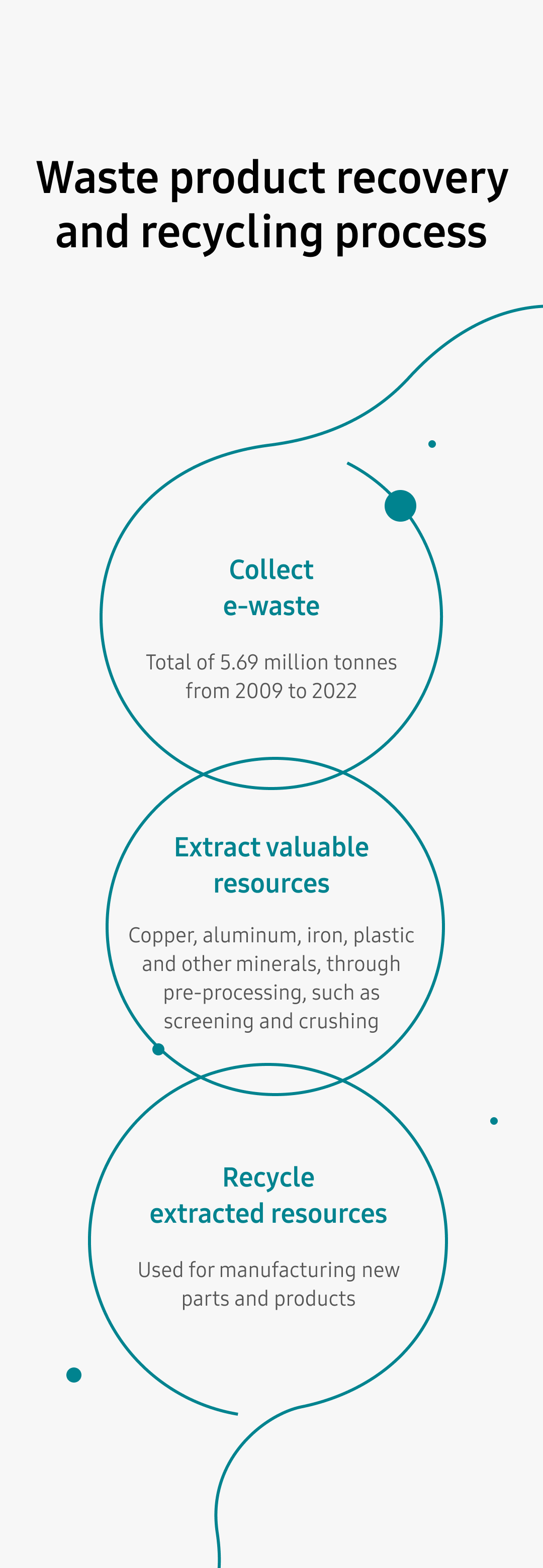
If you think about it, products made from various raw materials are a complex mix of resources. Our e-waste product collection and recycling process allow for e-waste to become ingredients for new products.
From 2009 to 2025, we operated an e-waste collection system in over 100 countries and collected approximately 7.54 million tonnes of waste electronics worldwide.
By 2030, we will expand our e-waste collection system to all global sales regions and achieve a cumulative total of
10 million tonnes collected since 2009. Furthermore, we also plan to collect
25 million tonnes of e-waste by 2050.
- Unit: 10,000 tonnes
- Collected amount (current year)
- Cumulative collected amount
Double bar chart showing figures from 2023 to 2025. 2023: 60, 630 / 2024: 61, 691 / 2025: 64, 754
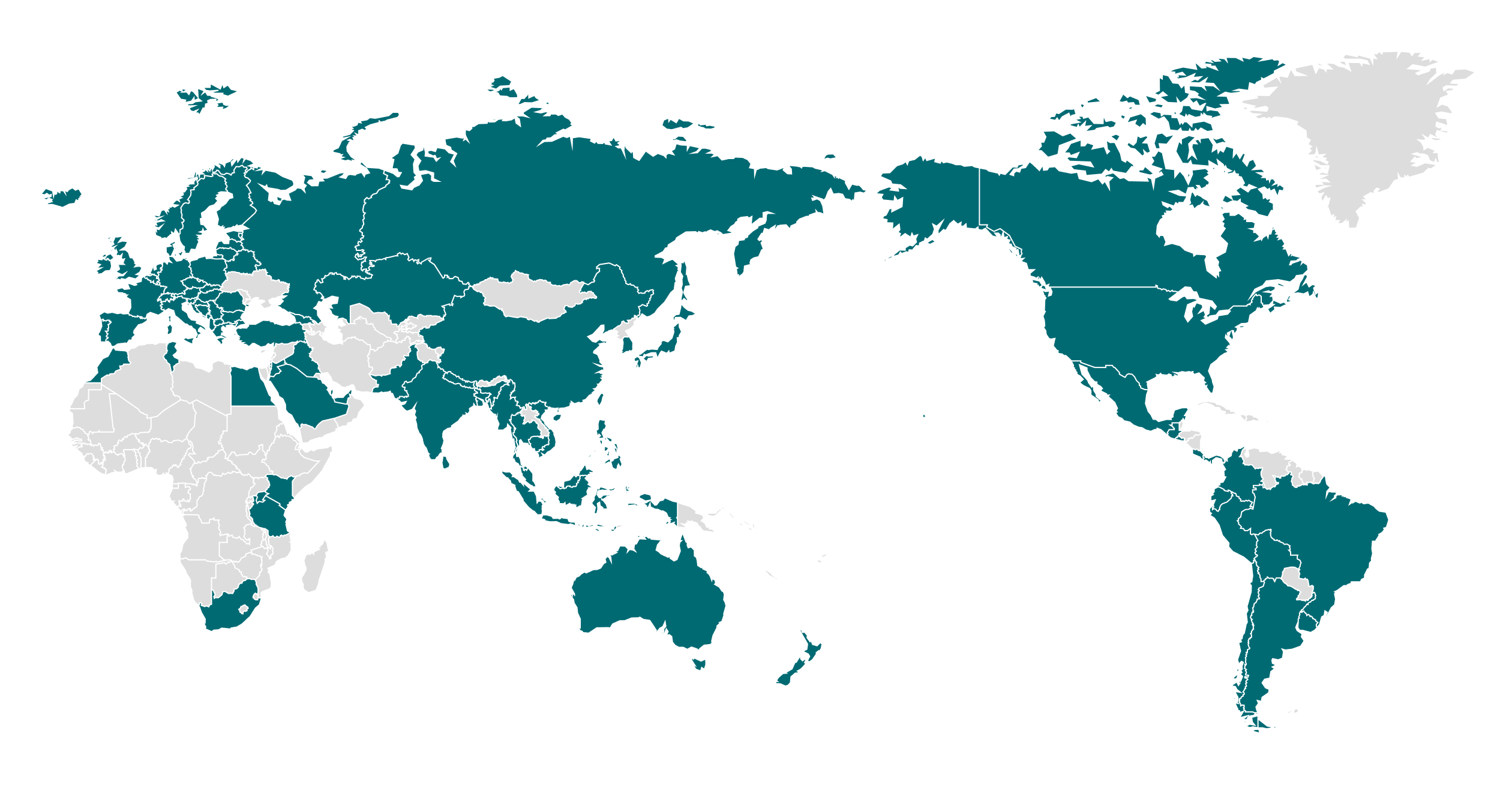
Click a region to see a detailed list
of country/region.
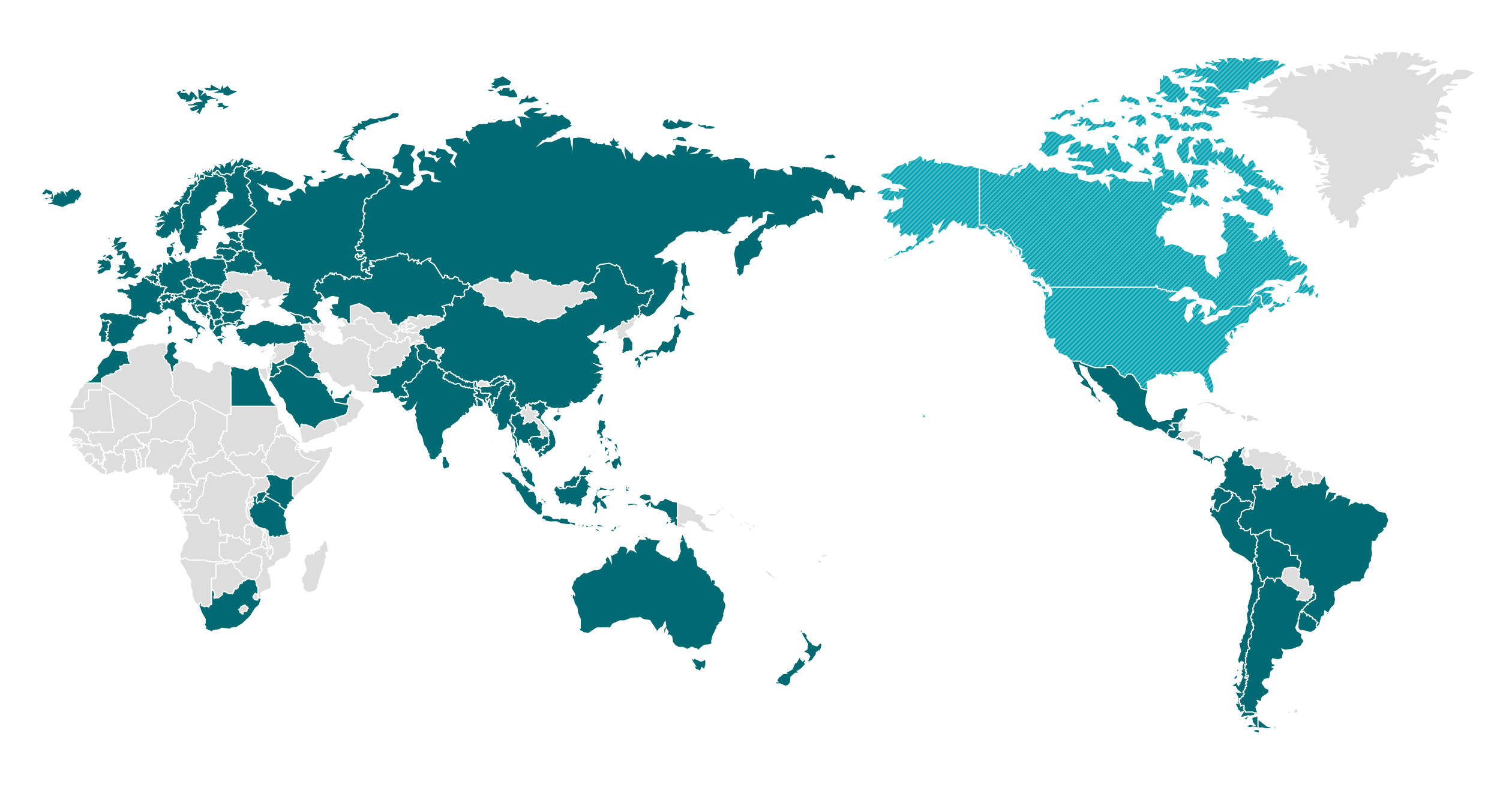
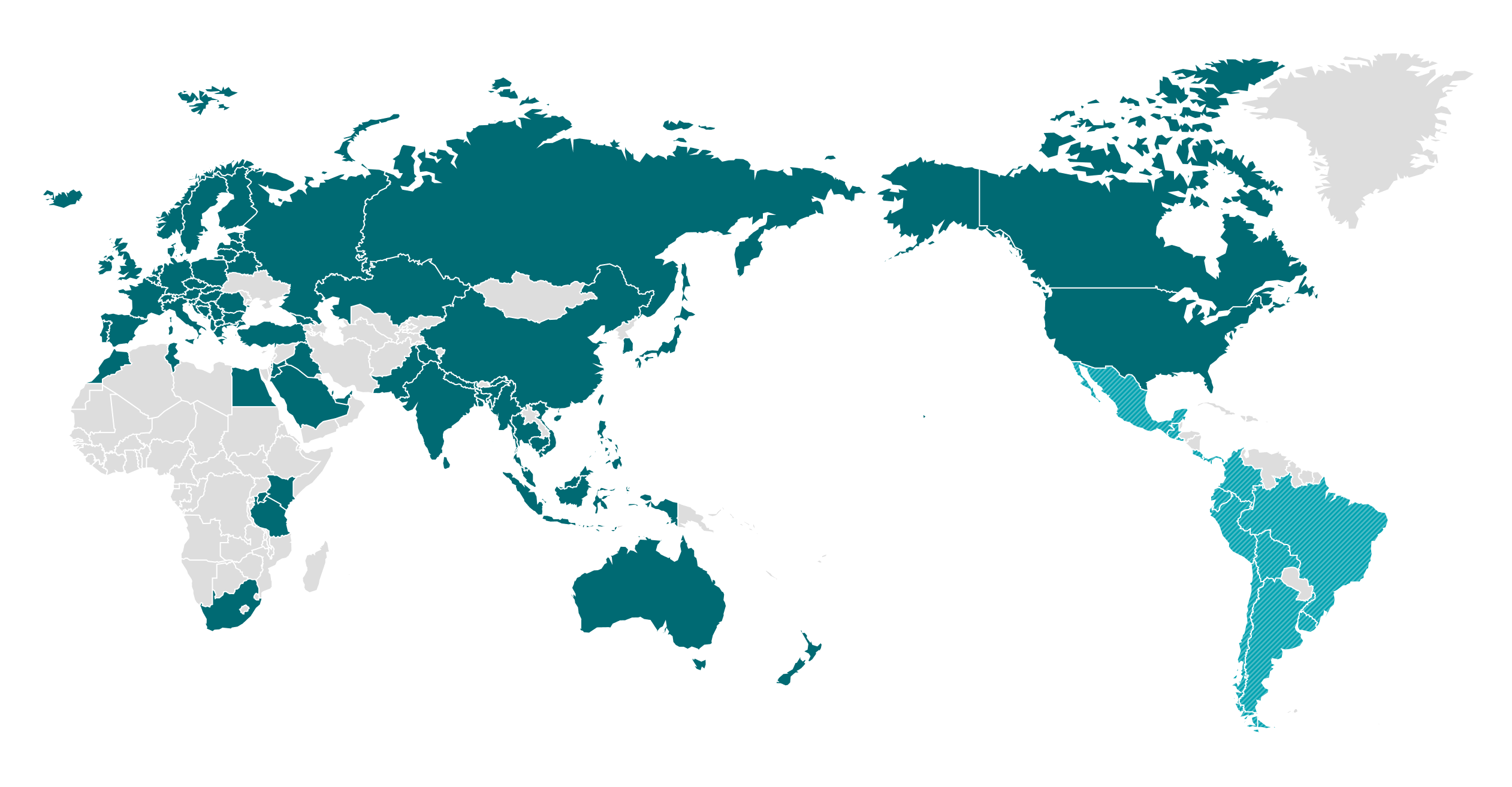
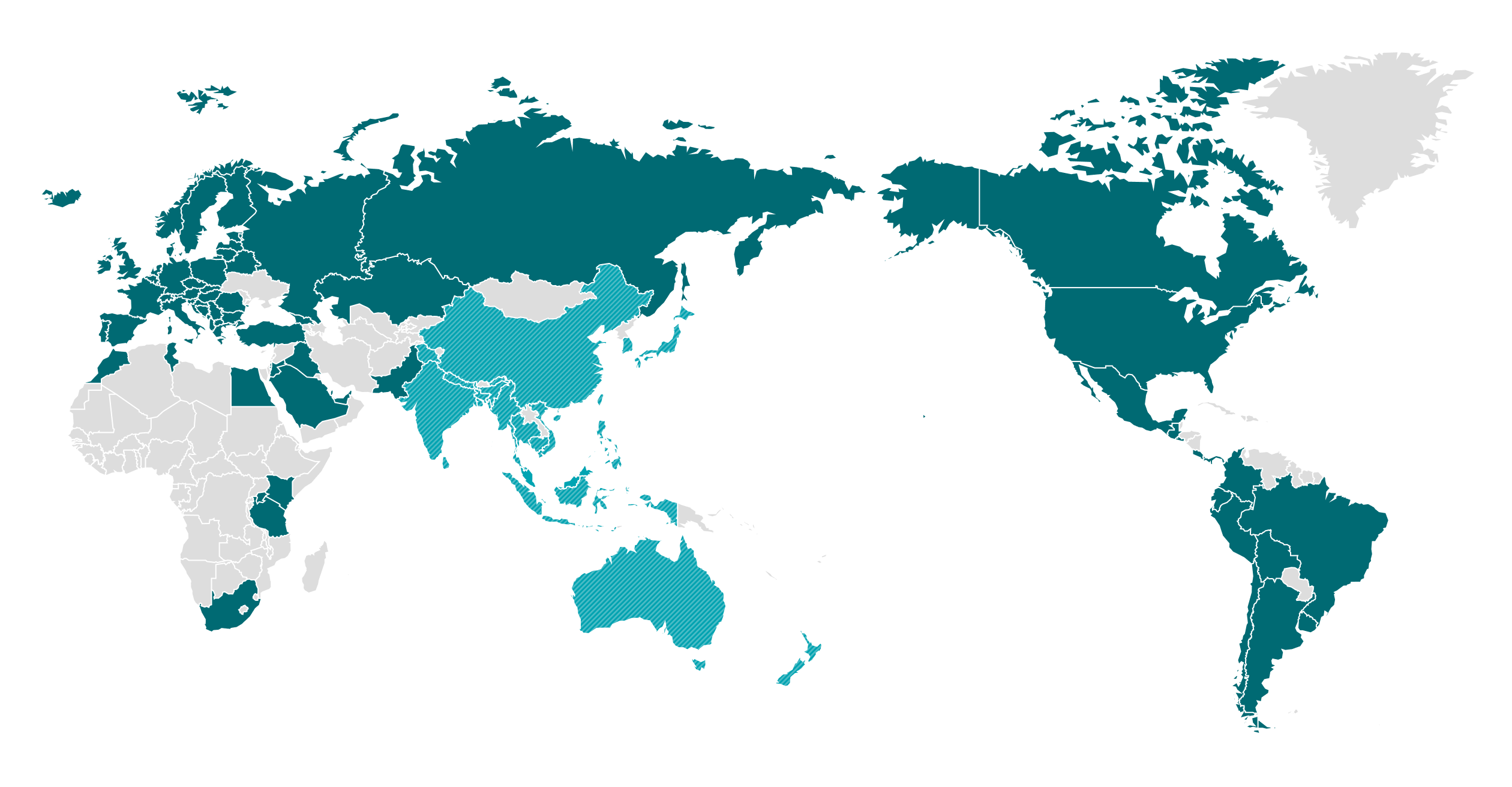
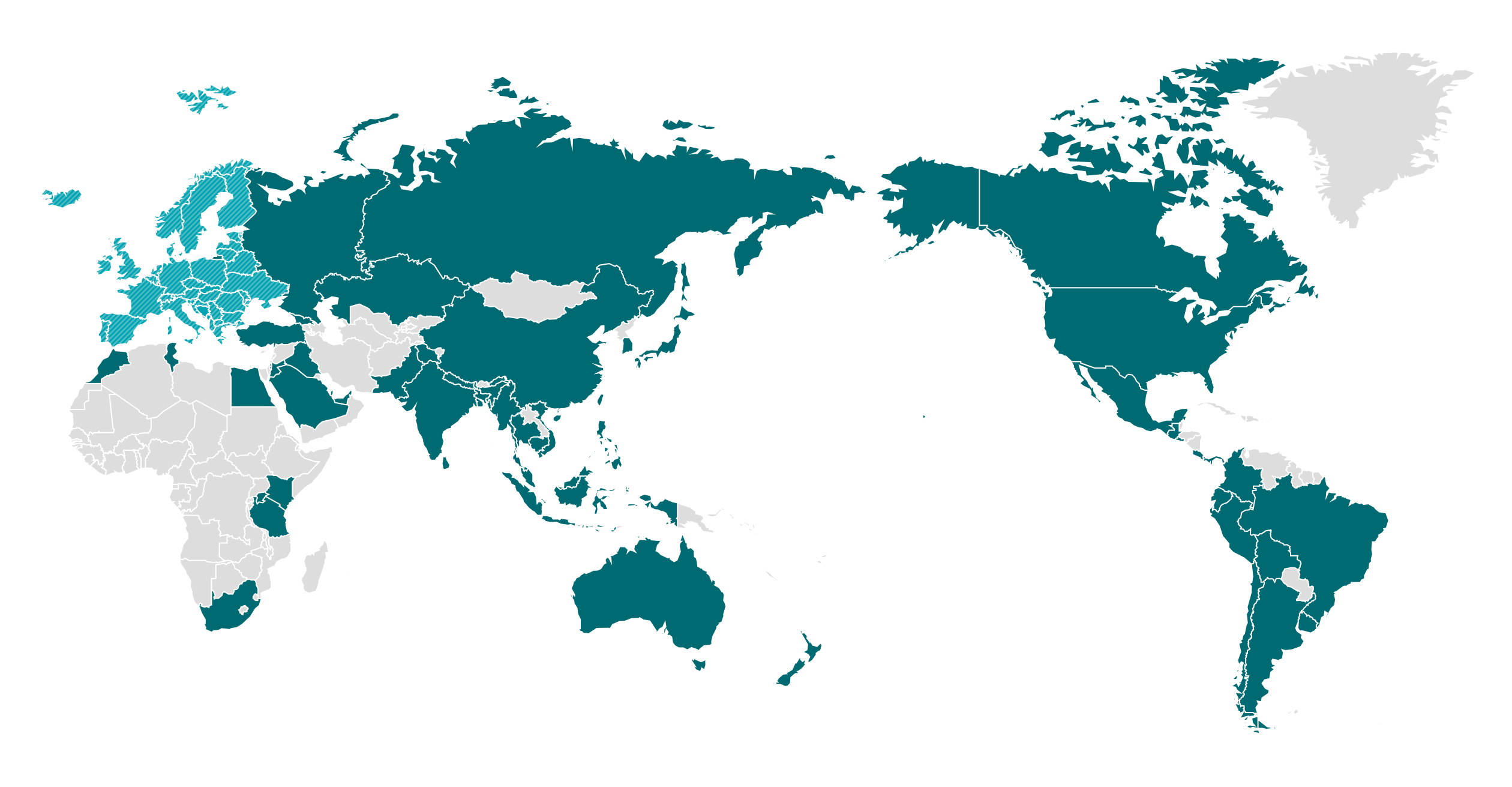
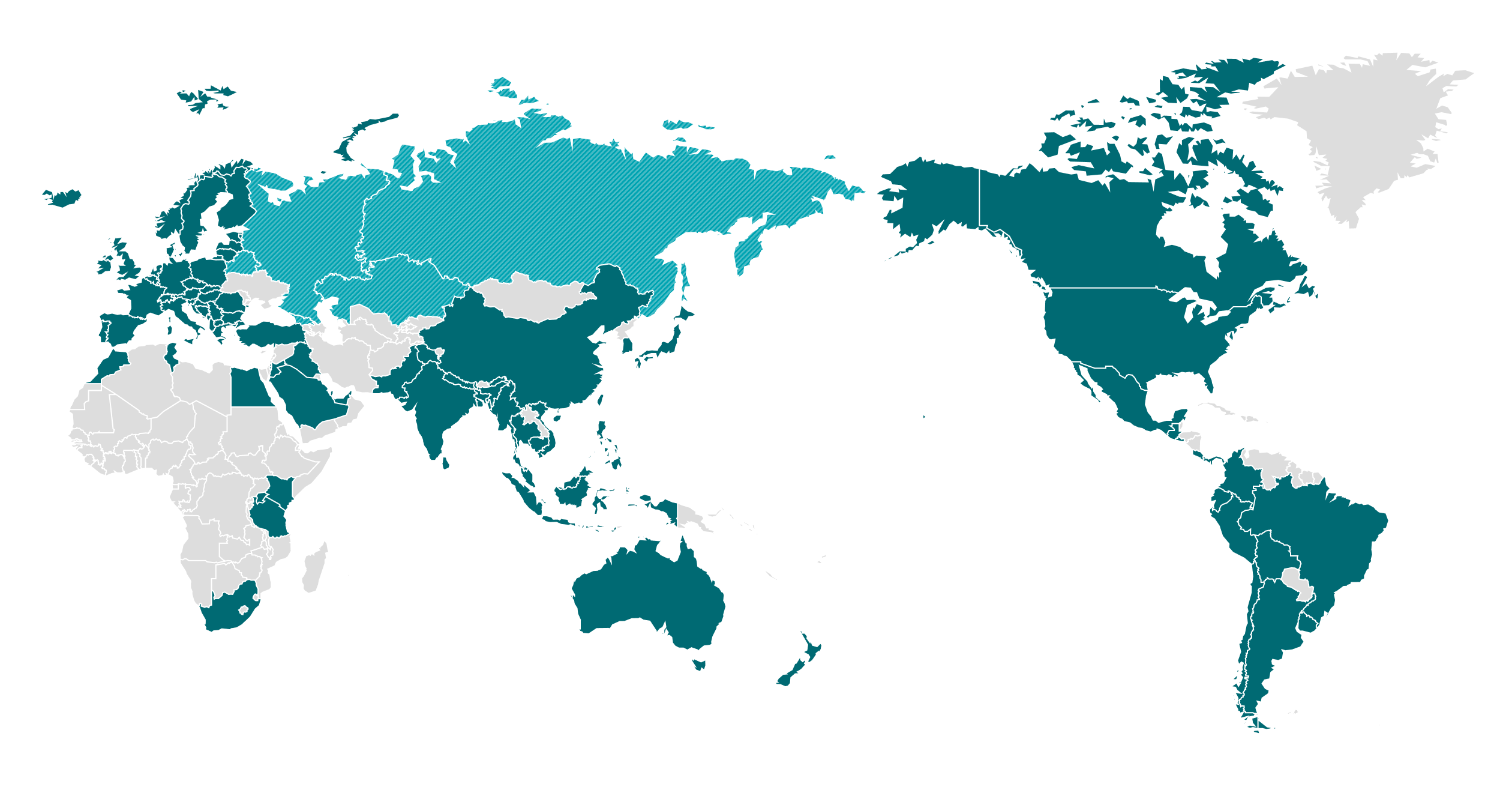
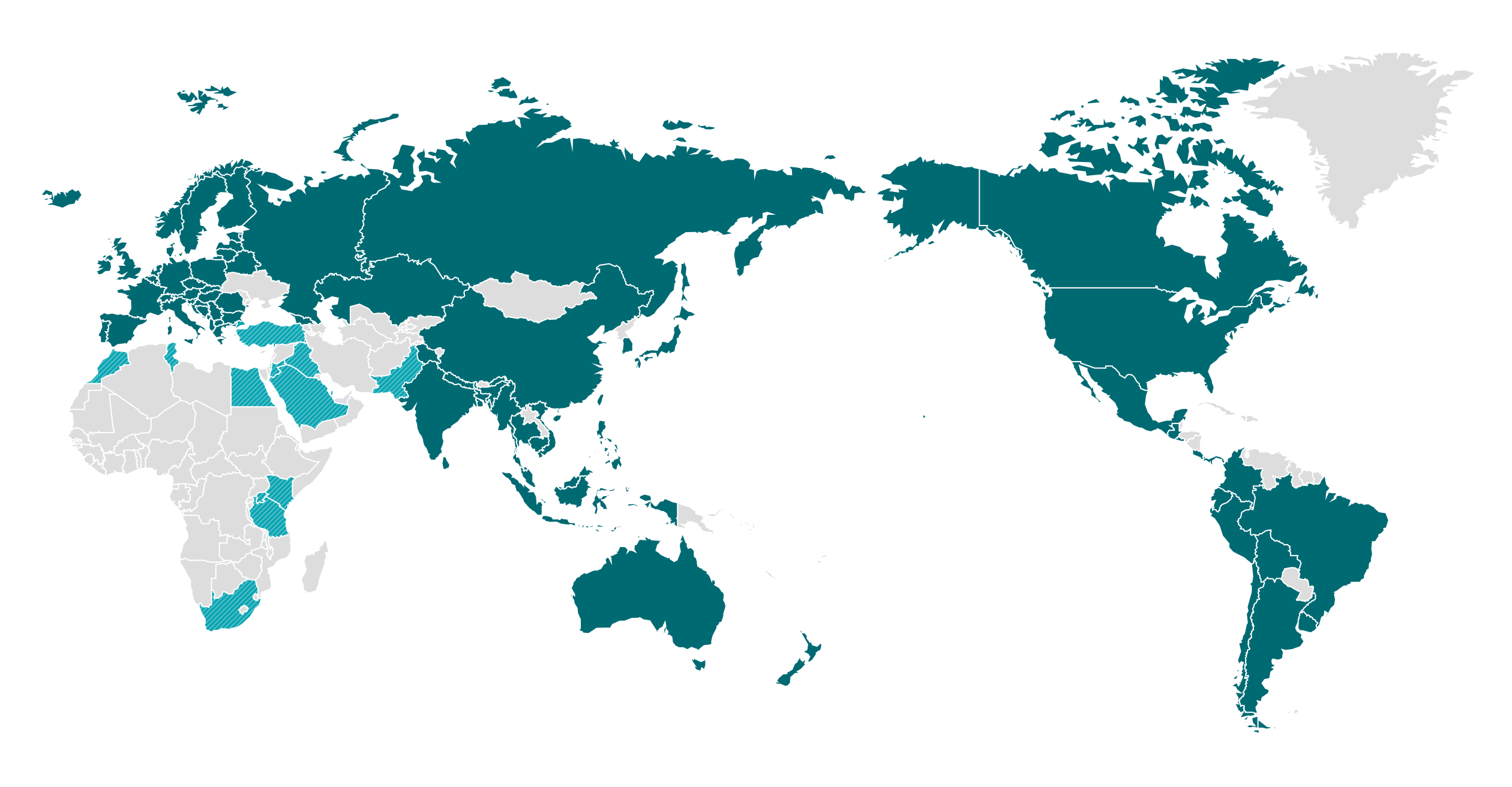
E- Waste recovery and recycling programs
- Korea Learn more
- U.S. Learn more
- EU, Asia, and Africa Learn more