SAMSUNG

SAMSUNG

  • search
  • menu

Clean Tech Innovation

We collaborate with
an open mind and support communities,
startups and suppliers.

As an industry leader,

We fully acknowledge and embrace the impact and
responsibility associated with our brand.

We aim to do our part in supporting clean tech innovations
by investing in promising technologies and developing our
own initiatives.

We are collaborating with international universities
and research institutes to solve environmental problems and are
exploring and investing in promising eco-conscious
technologies and projects for the future.

Leading the way
in clean tech
innovation

How Samsung
Electronics is working
towards
clean tech innovation

Research in carbon capture and clean air technologies
Application of carbon capture
technology to semiconductor manufacturing facilities after 2030
Research and development of particulate matter reduction technology via the Share the Clean Air (ShareAIR) project
Development of proprietary clean air technology Learn more
Tackling environmental
challenges
Active discovery of and investment in promising clean technologies
and environment-related startups
through internal and external venture support program
Learn more

Research in Carbon
Capture
and Clean Air
Technologies

We are committed to helping address environmental challenges.

From reducing carbon
emissions to capturing
emitted carbon to use as a
new resource

In 2021, we established the Carbon Capture Research Institute
(currently restructured as Air Science Research Center) to develop and commercialize carbon capture and utilization technologies that store
carbon emitted from semiconductor manufacturing sites and recycle it
as a resource.

Spearheaded by the center, we are advancing technologies across the
entire CO₂ capture, storage, and utilization lifecycle at industrial sites.
Our primary focus is securing fundamental technologies that
efficiently capture greenhouse gases while minimizing energy
consumption, ultimately converting them into useful resources. We
plan to implement these technologies at our manufacturing facilities
in phases.

Furthermore, we will contribute to the reduction of direct emissions by introducing technologies that capture and purify high-concentration
CO₂ from the semiconductor manufacturing process, repurposing it as
a recycled resource for our operations.


Process gas reduction
technology

DS Division operates gas treatment and processing facilities, assessing gas decomposition characteristics, emissions volume, and overall energy efficiency.
The RCS (Regenerative Catalytic System) mainly treats gases emitted from the etching process in a large-capacity, energy-efficient treatment facility.
We apply a POU (Point Of Use) to each production facility’s emissions during the CVD (Chemical Vapor Deposition) process to reduce emitted gases.


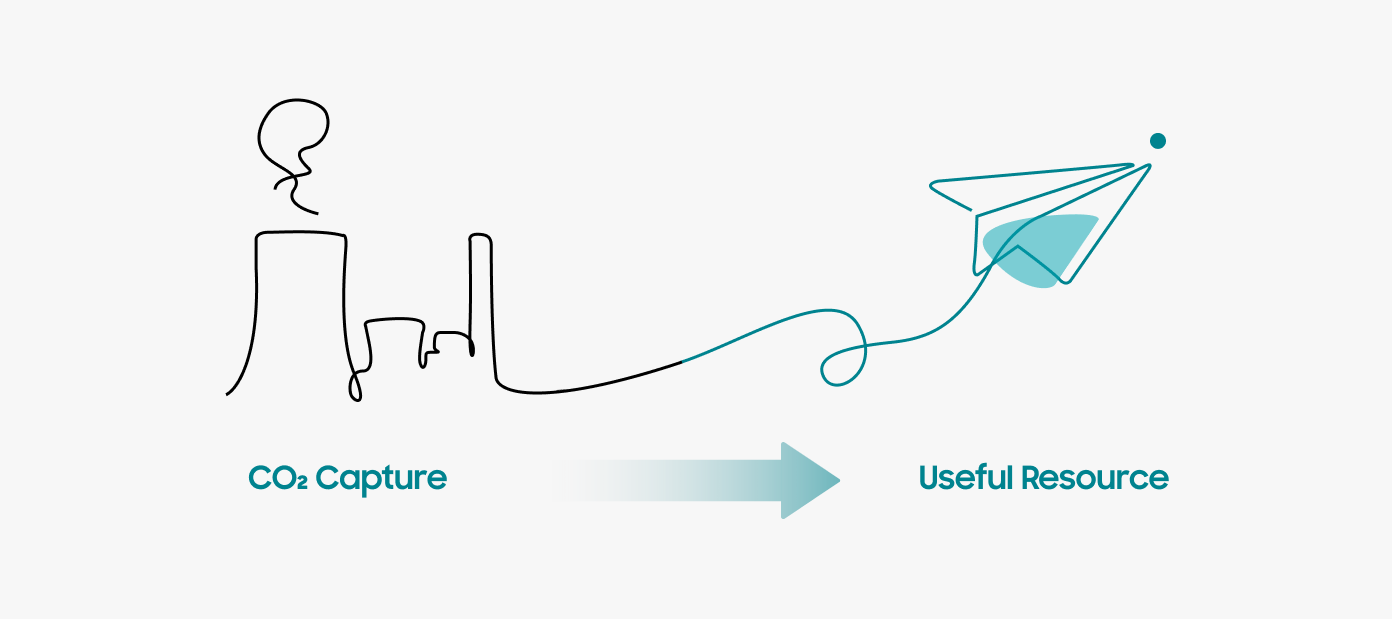
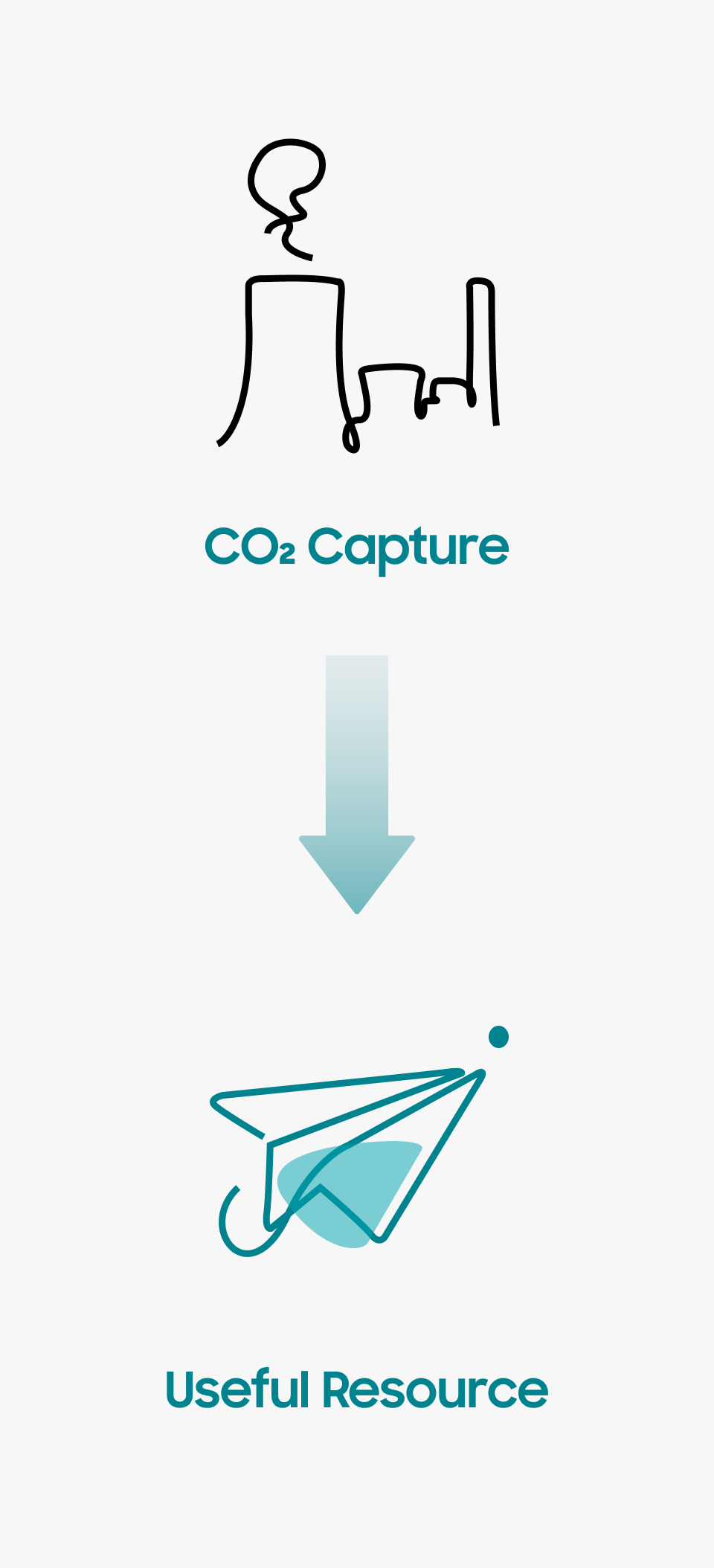
Carbon Capture & Utilization

CO2 Capture Useful Resource CO2 Capture Useful Resource

Research areas and
objectives (applicable
candidate technology)

  • Membrane gas
    separation
  • Catalyst and
    plasma
  • Direct
    electrochemical
    conversion
  • Bio
    Tech

Reducing particulate
matter to improve
the quality of air
we breathe

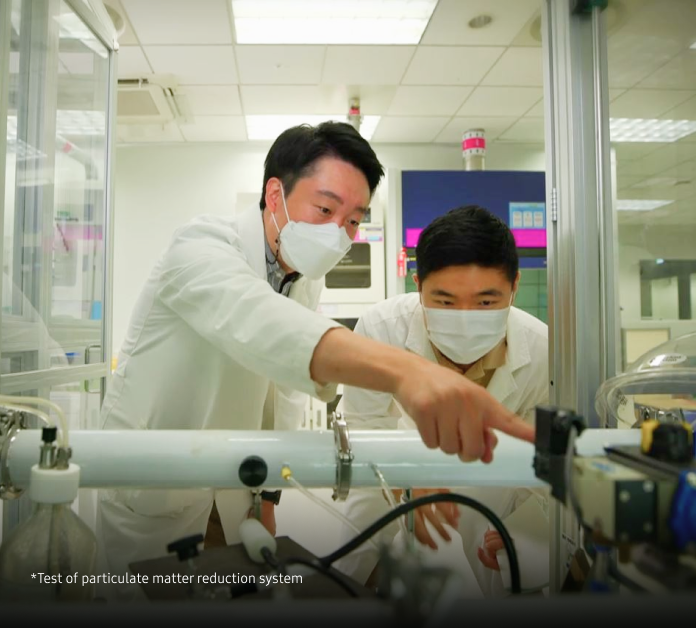
In January 2019, we established the Air Science Research Center (previously Particulate Matter Research Institute) under DS Division, dedicated to developing fundamental technologies for next-generation filters and air purification systems. Its main research area is improving air purification performance by developing a filtration technology capable of removing both particulate matter and harmful exhaust gases simultaneously.

Energy efficiency is vital for air purification systems due to their long operating hours. To address this, the center initiated the development of a next-generation, low-energy air purification technology. The concept has now been successfully validated, with the equipment demonstrating at least 99% removal efficiency for particulate matter in lab-scale experiments. Moving forward, the center remains committed to further optimizing the system's energy efficiency.

As part of “Share the Clean Air” project, we also conducted a pilot test at the Hwaseong site to verify whether laboratory-developed air purification technology could be applied in actual site operations. The test confirmed approximately 98% particulate matter treatment efficiency under real operating conditions, and we are expanding application to supplier sites for long-term performance verification.

Ongoing proprietary
technology research in
particulate matter
reduction

  • Analyzing the root cause of air pollution

  • Diagnosing particulate matter and
    causative gases

  • Creating sensors, catalysts and system technology for particulate matter
    reduction
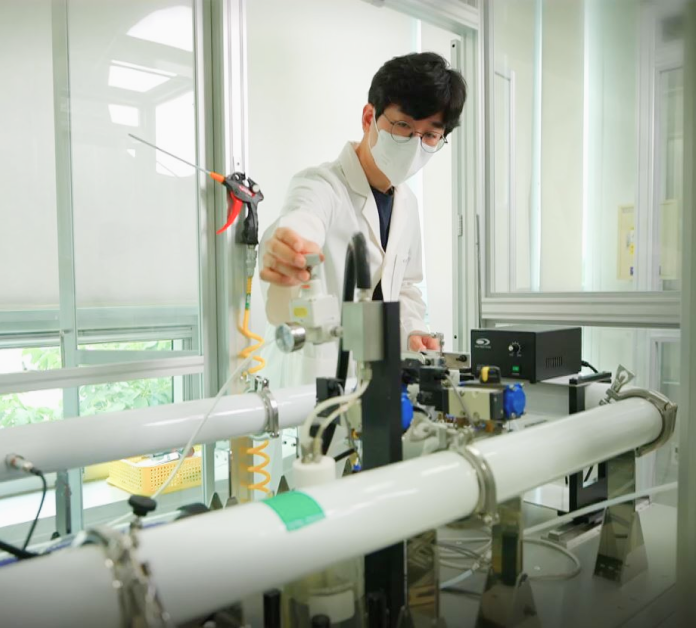
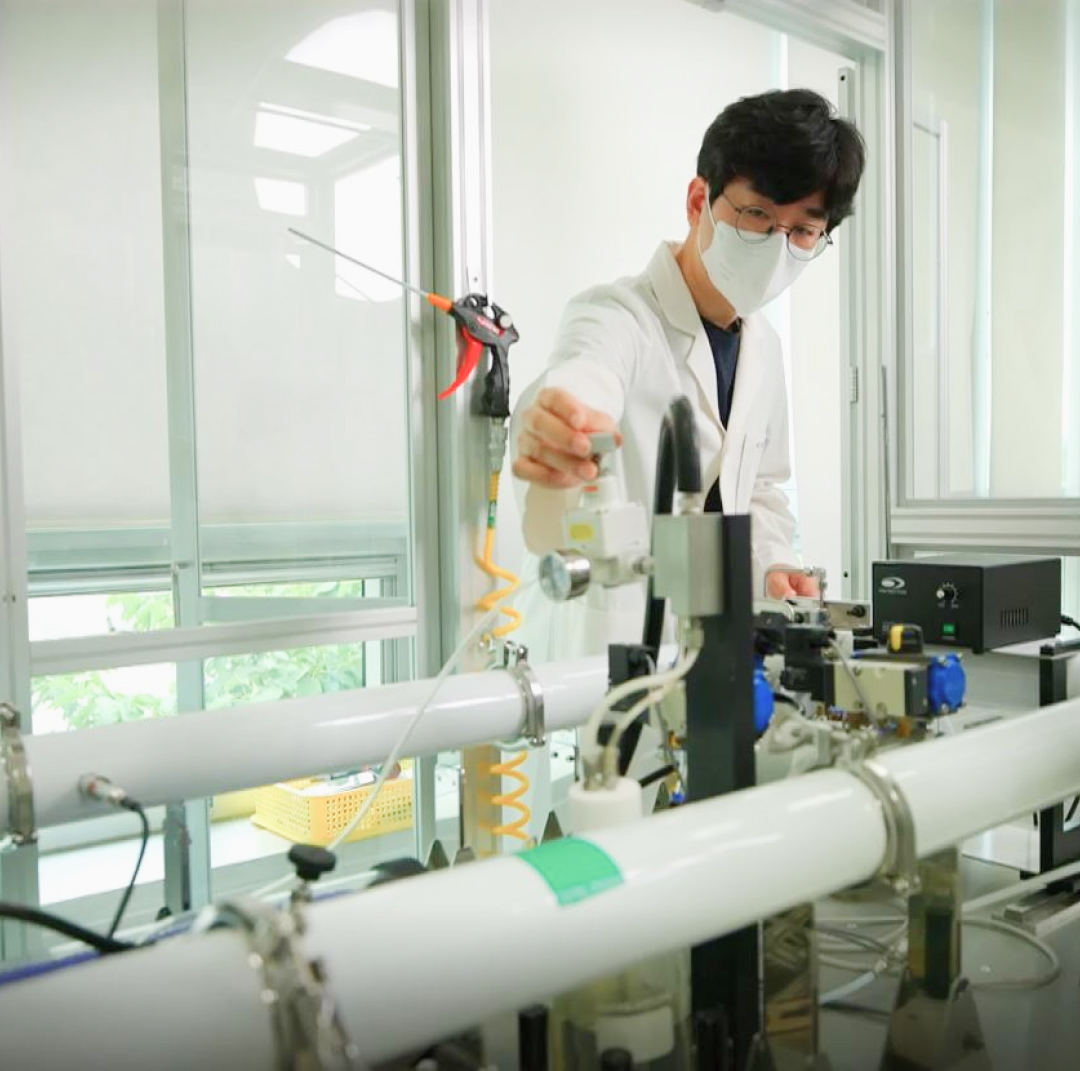
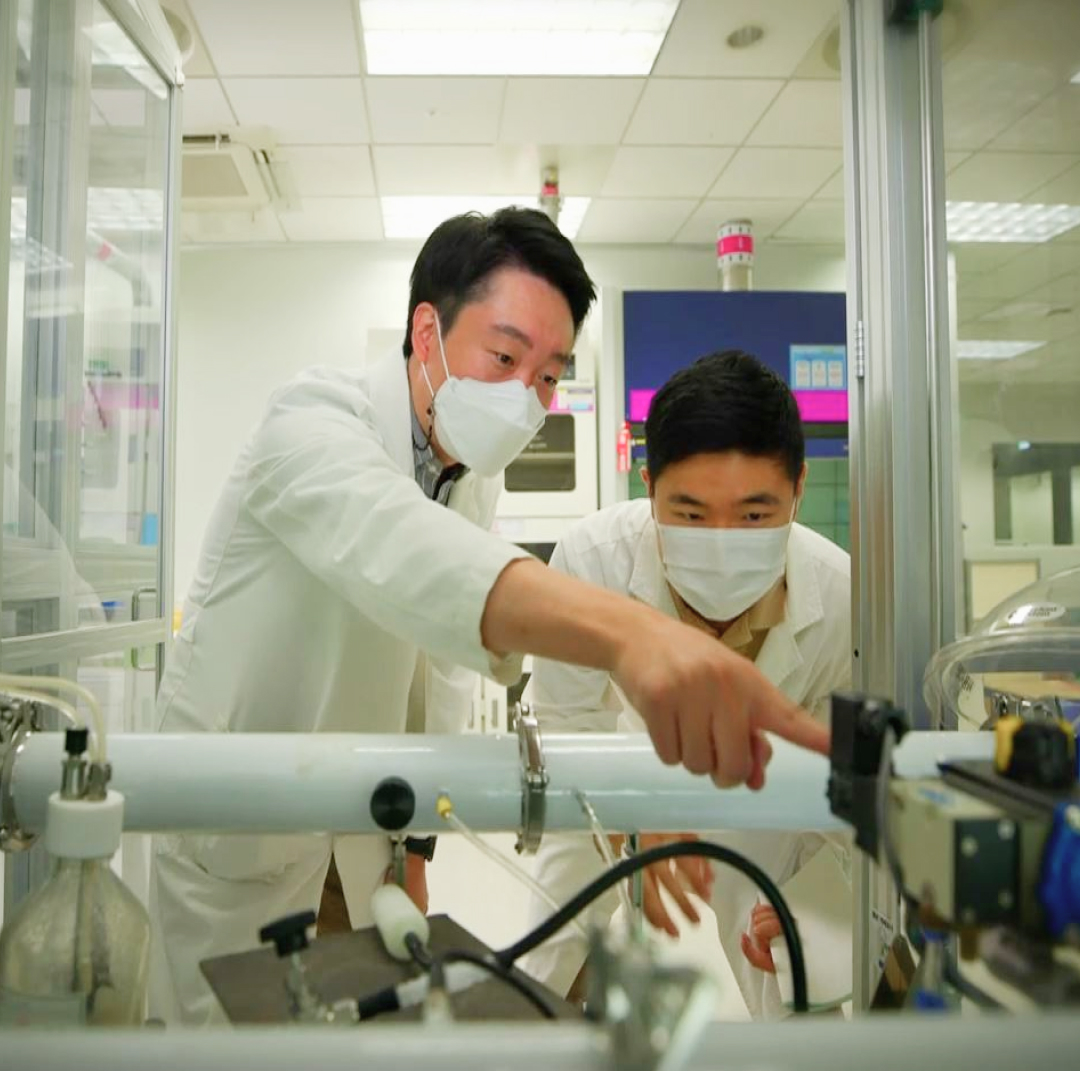
  • *Test of particulate matter reduction system *Test of particulate matter reduction system
*Test of particulate
matter reduction
system

Tackling
Environmental
Challenges

Shape the future
with innovative technology

C-Lab supports
innovative ideas for a
sustainable future,
in-house and externally

We operate the C-Lab, a program that discovers and supports the development of creative ideas –including those relating to sustainability – inside and outside of Samsung Electronics.

In addition to discovering promising future technologies, we find and support in-house ventures and startups, which seek to solve environmental challenges.

C-Lab

Discovering and
expanding investment
in
innovative startups
in Sustainability areas

Investment fields

  • Technologies related to high efficiency, low energy
    consumption, and sustainable materials and parts
  • Technologies related to net zero carbon emissions,
    renewable energy and resource circularity

Supporting our partner
companies in their
journey towards net
zero
and investment in
environmental
resources through
Samsung Electronics'
ESG Fund

  • Field of support
    Technologies related to net zero carbon emissions,
    renewable energy and circular resources
  • Operation plan
    Funds for facilities related to carbon
    reduction or environmental safety

    Technological developments
    Funds for operations

Digital Library

  • Environmental, Health and
    Safety Management Policy

News & Story