Fix Samsung Dishwasher Leaking Issues

Last Update date : Sep 14. 2026

What can you do when your Samsung dishwasher is leaking?

Direct Answer: If your Samsung dishwasher is leaking or showing an LC/LE leakage error code, immediately turn off the unit and cut power at the circuit breaker. Wipe up excess water, verify that you are using automatic dishwasher detergent (not liquid hand soap), inspect the rubber door gasket for debris or damage, verify supply/drain hose connections, ensure spray nozzle jets are unblocked, and level the dishwasher legs to prevent water pooling.
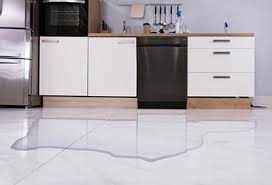
1. Confirm the Leak and Power Off

Before diving into detailed troubleshooting, confirm whether you are dealing with an active dishwasher leak or a simple liquid spill:

  • Confirm the leak: Clean up the surrounding water and monitor whether moisture returns during a test cycle. If water does not reappear, it was likely an external spill.
  • Safety first: If you see visible water leaking underneath or if an LC/LE error code appears, immediately turn off the power to the dishwasher at your home's circuit breaker before inspecting internal components.

2. Inspect Water Supply & Drain Hoses

Inspect the main water lines and connection points for loose fittings, cracks, or damage:

Inspecting and tightening dishwasher drain line and water hose connections
Check the water supply and drain hose connections for moisture, loose fittings, or proper installation.
  • Water Supply Hose: Inspect where the hose connects to both the dishwasher and your home's valve. Ensure fittings are tight. If damaged, replace it with a 3/8-inch stainless steel braided hose.
  • Drain Hose Connection: Ensure the drain hose is tightly secured to the sink siphon or disposal. If newly installed with a garbage disposal, verify that the knockout disposal plug/cap was removed.

3. Check Door Rubber Gasket and Detergent Type

Door seal gaps and excessive soap suds are common culprits for leaks around the front door panel:

  1. Align and clean the door seal: Inspect the rubber seal along the perimeter of the tub. Push any misaligned sections back into the channel, and clean off debris using a soft cloth with mild soap.
  2. Use dishwasher-specific detergent: Never use liquid dishwashing hand soap. Dish soap generates high amounts of foam and suds that break the door seal pressure, forcing water out onto your floor.

4. Leveling, Nozzles, and Cabinet Screws

  • Level the unit: Adjust the leveling legs so the dishwasher is perfectly level front-to-back and side-to-side. A forward tilt causes water to pool against the lower door seal.
  • Clear spray nozzles: Inspect wash arms for clogged nozzle holes. Blocked jets can redirect high-pressure water streams directly toward door seams.
  • Check cabinet mounting screws: Over-tightened side screws can pull and warp the tub sides out of alignment, preventing the door from sealing tightly.

Thank you for your feedback!