Tips for an organized Samsung refrigerator

Last Update date : Sep 14. 2026

Tips for an Organized Samsung Refrigerator

Direct Answer: To keep a Samsung refrigerator properly organized, store raw meat and seafood on the bottom shelf to prevent drips, place dairy and highly perishable items on the middle-to-top shelves where temperature is most stable, keep condiments in the door bins, and store fruits and vegetables in separate humidity-controlled crisper drawers. Proper organization improves cold airflow, reduces energy consumption, and extends food shelf life.
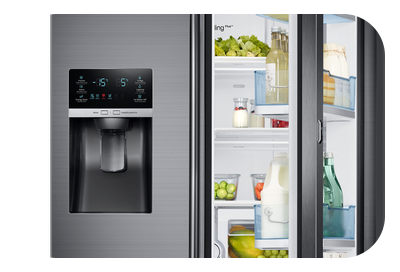
Samsung Refrigerator interior layout displaying digital control panel and organized storage zones
Proper zone placement inside your Samsung refrigerator ensures maximum freshness and optimal temperature distribution.

1. Top Shelves: Ready-to-Eat & Prepared Foods

The upper shelves maintain a consistent temperature and are ideal for items that do not require cooking:

  • Leftovers & Prepared Meals: Store cooked meals in airtight glass or plastic containers.
  • Drinks & Beverages: Position juice cartons, milk, and canned beverages here for easy access.
  • Deli & Snacks: Keep cheeses, cooked meats, and ready-to-eat snacks visible to minimize door-open time.

2. Middle Shelves: Dairy & Frequently Used Staples

The middle zone is easy to reach and experiences minimal temperature fluctuations during regular use:

  • Dairy Products: Store yogurt, sour cream, butter, and cottage cheese in the middle shelf area rather than the door.
  • Eggs: Keep eggs in their original carton on an interior shelf where temperatures remain cold and steady.
  • Foldable Shelving Adjustment: Utilize Samsung's slide-in or folding shelves to clear vertical room for tall pitchers or large pots.

3. Bottom Shelf: Raw Meat, Poultry, and Seafood

The bottom shelf is the coldest part of the main compartment and prevents cross-contamination:

  • Prevent Cross-Contamination: Always place raw meat, poultry, and fish on the lowest shelf in sealed containers or trays to prevent juices from dripping onto lower items.
  • Thawing Foods: Thaw frozen items safely on the bottom shelf where cold air concentrates.

4. Humidity-Controlled Crisper Drawers

Samsung crisper drawers feature adjustable humidity controls to extend product shelf life:

  • High Humidity (Closed Vent): Best for leafy greens, herbs, carrots, cucumbers, and broccoli to retain moisture and prevent wilting.
  • Low Humidity (Open Vent): Ideal for fruits that produce ethylene gas as they ripen, such as apples, pears, peaches, and avocados, preventing premature spoilage.
  • Separate Fruits & Vegetables: Keep produce types separated into dedicated drawers to maximize freshness.

5. Refrigerator Door Bins: Condiments & Sauces

Door bins experience the greatest temperature fluctuations due to frequent door openings:

  • Condiments & Dressings: Store ketchup, mustard, salad dressings, soy sauce, and jams here.
  • Preserved Foods: Pickled items, olives, and bottled sauces thrive in door bin zones.
  • Avoid Perishables: Do not store fresh milk or eggs in door bins where warm air hits first when opened.

6. Freezer Storage & Labeling

Keep your freezer efficient and prevent freezer burn with smart compartmentalization:

  • First-In, First-Out (FIFO): Rotate older items to the front and place newly bought items behind them.
  • Clear Labeling: Label freezer bags and containers with contents and purchase dates.
  • Maintain Air Circulation: Avoid overpacking freezer vents so cold air can circulate freely throughout the cavity.

7. Maintaining Airflow & Temperature Efficiency

  • Do Not Overfill: Fill your refrigerator to roughly 70–80% capacity to ensure unrestricted cold air circulation across all shelves.
  • Unblock Air Vents: Ensure tall items are not leaning against the rear air vents to prevent uneven cooling and localized freezing.
  • Regular Cleanout: Wipe down interior glass shelves monthly with mild soapy water to maintain hygiene and prevent odors.

Thank you for your feedback!